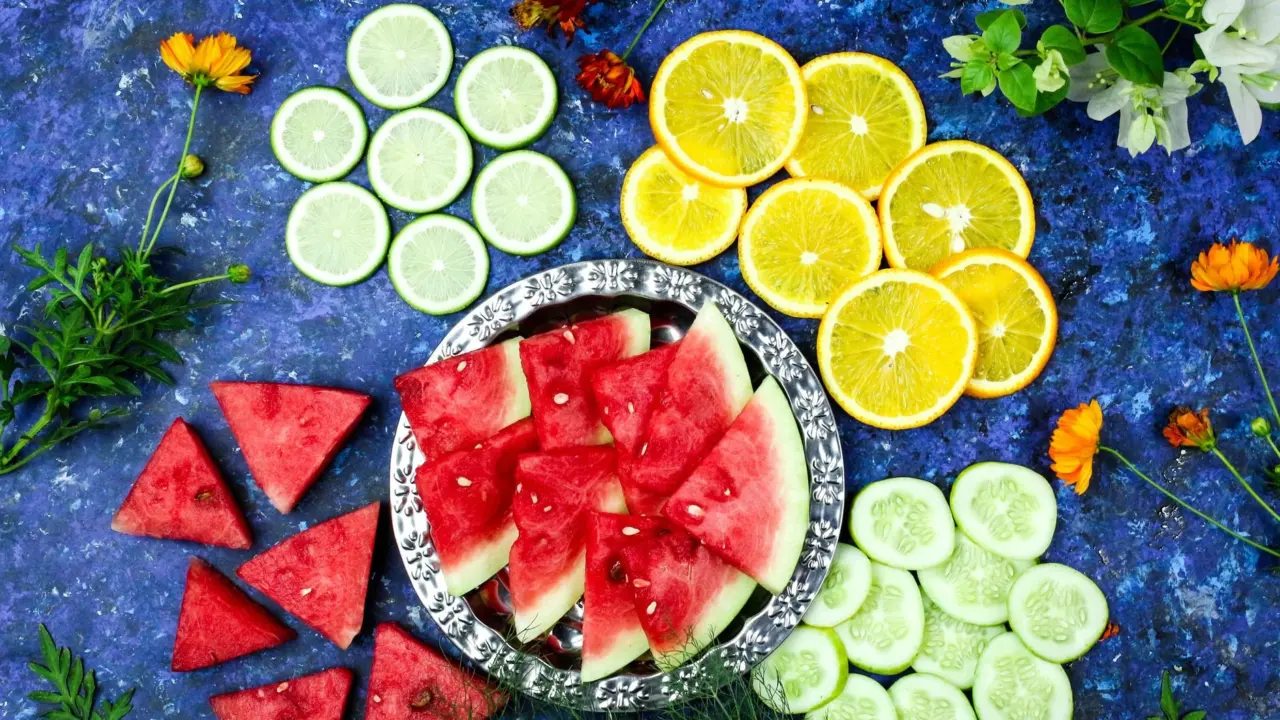
High volume low calorie snacks give you a large, chewy portion for few calories because they are rich in water and fiber. Cucumber, berries, watermelon and air-popped popcorn are good starting points, provided portions stay sensible.
Snacks are one small piece of a wider routine, and the hub on food and activity also covers exercise to help quit smoking. This guide explains why volume works, which foods deliver it, and how to use it when your hands and mouth are used to a habit that no longer exists.
How volume eating works
The central idea is energy density, which The Nutrition Institute describes as the number of calories per gram of food. Foods with low energy density let you eat a bigger amount for the same calories. The same source notes that high-volume, low-calorie foods are naturally high in water and fiber, and lists fruits and vegetables as typical examples.
The mechanism runs in a simple sequence:
- Pick a low-energy-dense food. Fruit, vegetables and other watery foods carry few calories per gram.
- Let water and fiber supply the bulk. These are the ingredients that make a portion look and feel large.
- Get fullness signals sooner and for longer. The Nutrition Institute says high-volume foods trigger fullness signals faster and for longer than denser foods.
- Take your time. WebMD’s snack guide points out that snacks which take more time to finish are often more satisfying, and that sweeter, slower snacks tend to feel more rewarding.
There is trial evidence behind the approach. In a 12-week trial (Cloos et al.), reported by The Nutrition Institute, participants reduced body weight and fat mass while preserving lean muscle. That is a single trial summarised secondhand, so read it as encouraging rather than a guaranteed result for any one person.
Which snacks fill you up most
The most filling snacks combine low calories per bite with something that takes effort to eat. Water-heavy produce does the first job well: AllHealthy reports that cucumbers are more than 95 percent water and watermelon is more than 90 percent water. Air does the same job in popcorn, where, as one nutrition roundup puts it, air adds volume while whole-grain fiber curbs hunger.
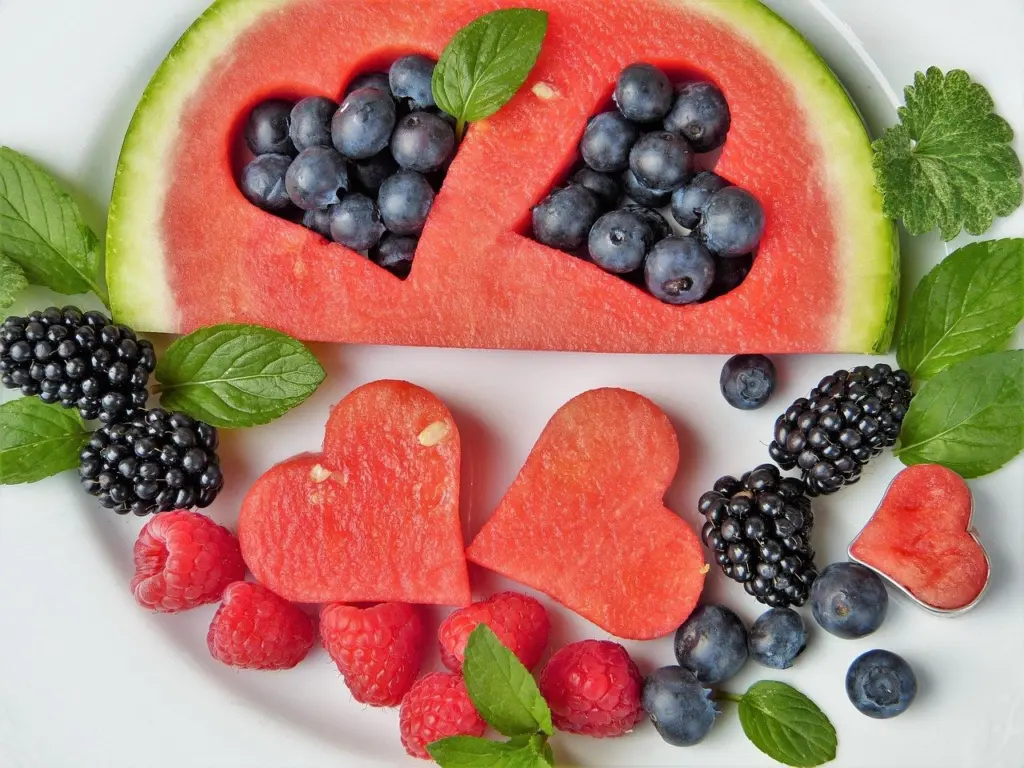
The table turns those foods into portions you can plan around.
| Snack | Portion and calories | Planning use |
|---|---|---|
| Cucumber, sliced with peel | About 16 kcal per cup | The lowest-calorie crunch here; suits grazing when you want something to keep chewing. |
| Strawberries | About 50 kcal per cup | A sweet option that stays low in calories per cup. |
| Watermelon, diced | About 45 kcal per cup | Handy when you want a large, cold, sweet portion. |
| Air-popped popcorn | About 90 to 100 kcal per 3 cups | The best choice when you want salty, crunchy volume. |
| Grapes | Just under a cup is about 100 kcal | Less volume per calorie than the options above, so portion them deliberately. |
Figures come from AllHealthy’s high-volume food roundup, which bases its estimates on USDA FoodData Central, and from WebMD’s 100-calorie snack slideshow.
Notice how the portion unit changes: popcorn is counted in several cups, cucumber and berries in a single cup. That gap is the whole point of volume eating, and it is why the same calorie budget can feel very different depending on what fills it.
Protein and fiber pairings
Water and air give bulk, but protein and fiber help a snack last. WebMD notes that, like fiber, protein can help you stay full longer, and AllHealthy adds that protein is generally more satiating than carbohydrates or fat. A snack-nutrition roundup summarises the combined effect: protein plus fiber keeps you satisfied longer than carbs alone.
Edamame is the clearest example in the evidence. WebMD reports that a half cup has more than 8 g of protein and 4 g of fiber, which makes it a filling option when the snack needs to carry you toward the next meal.
Berries sit in the middle. AllHealthy describes their combination of water and fiber as a filling way to add sweetness. A bowl of berries alone suits a short gap between meals; if you expect a longer wait, add a protein-rich food beside it.
Crunchy and slow-to-eat choices
Texture and eating time matter as much as calories, particularly when the snack is meant to occupy your hands. A dietitian quoted by WebMD makes the point simply: you have to chew it, so it is satisfying.
Popcorn: check which kind you are eating
Air-popped popcorn is the benchmark at about 90 kcal per 3 cups, according to the roundup above. Packaged versions differ. Trifecta Nutrition puts brands such as Skinny Pop and Boom Chicka Pop at about 140-150 kcal per four-cup serving, while WebMD notes that some microwave brands have just 100 calories in 6 cups. Popcorn stays a volume snack, but only the label tells you how much volume you are actually getting per calorie.
Frozen grapes: a slower way to eat fruit
Frozen grapes are worth trying if you tend to finish fruit quickly. The slow-melting texture prolongs eating time, adding satiety, and Chomps puts frozen grapes at about 60 kcal per cup.
Snacks, cravings and hand-to-mouth habits
Quitting removes an action that filled many small gaps in the day, and food is the obvious substitute. Trifecta Nutrition notes that dieting often leads to cravings which, when ignored, can lead to mindless snacking. A planned high-volume snack is the practical alternative: it gives you something to hold, chew and finish without a large calorie cost.
The same source says the key is to find options with relatively low calories for a high volume of food. Treat that as the test for any snack you consider, and favour ones that take time to eat, such as whole fruit, crunchy vegetables or popcorn eaten by the handful.
A snack covers the routine and the appetite, so it works best as support for a quit plan rather than the plan itself. For evening cravings in particular, see Low-Calorie Late‑Night Snacks: 20 Satisfying Picks That Won’t Ruin Your Sleep Or Diet – Canstopsmoking. When food is not what you actually want, changing what you do with your body can break the routine too, and Barefoot Walking: 7 Science-Backed Benefits For Health, Mood, And Mobility – Canstopsmoking offers one low-effort alternative.
Portion size
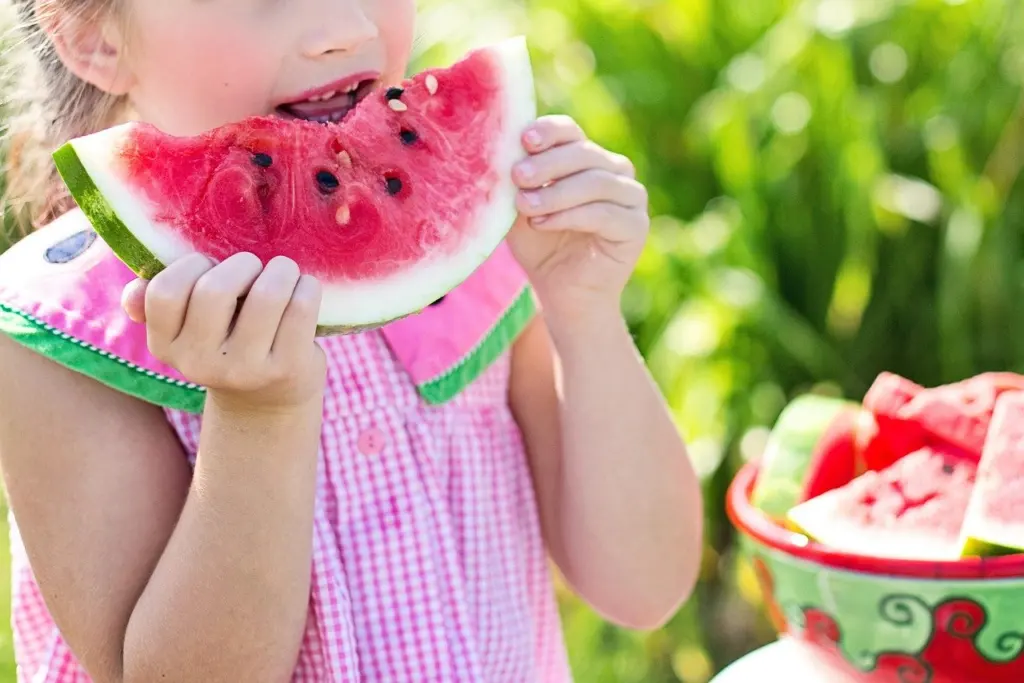
Low calories per cup do not make a snack unlimited. Trifecta Nutrition is blunt about it: it is all about portion control. No single serving size suits every snack, so the practical unit is the cup, using the per-cup values in the table above.
Decide how many cups you will eat before you start, and put them in a bowl instead of eating from the bag or container. High-volume foods suit larger bowls than energy-dense ones; sweeter, denser items such as grapes deserve a smaller one. Choose the snack that matches the length of the gap: watery produce for a short pause, a protein-and-fiber pairing for a longer one.
Frequently asked questions
Do pickle spears count as a high-volume snack?
They are very low in calories, with less than five calories and only one gram of carbs per spear according to Trifecta Nutrition, so they suit a craving for something to chew. They are a light flavor snack rather than a filling one.
Is spinach a snack?
Raw spinach has only about 7 calories per cup, according to AllHealthy. That makes it a good way to add bulk to a plate, though it is unlikely to satisfy a snack craving on its own.
Where do the calorie figures come from?
AllHealthy states that its calorie estimates come from USDA FoodData Central. Use them as planning values per cup rather than exact measurements.