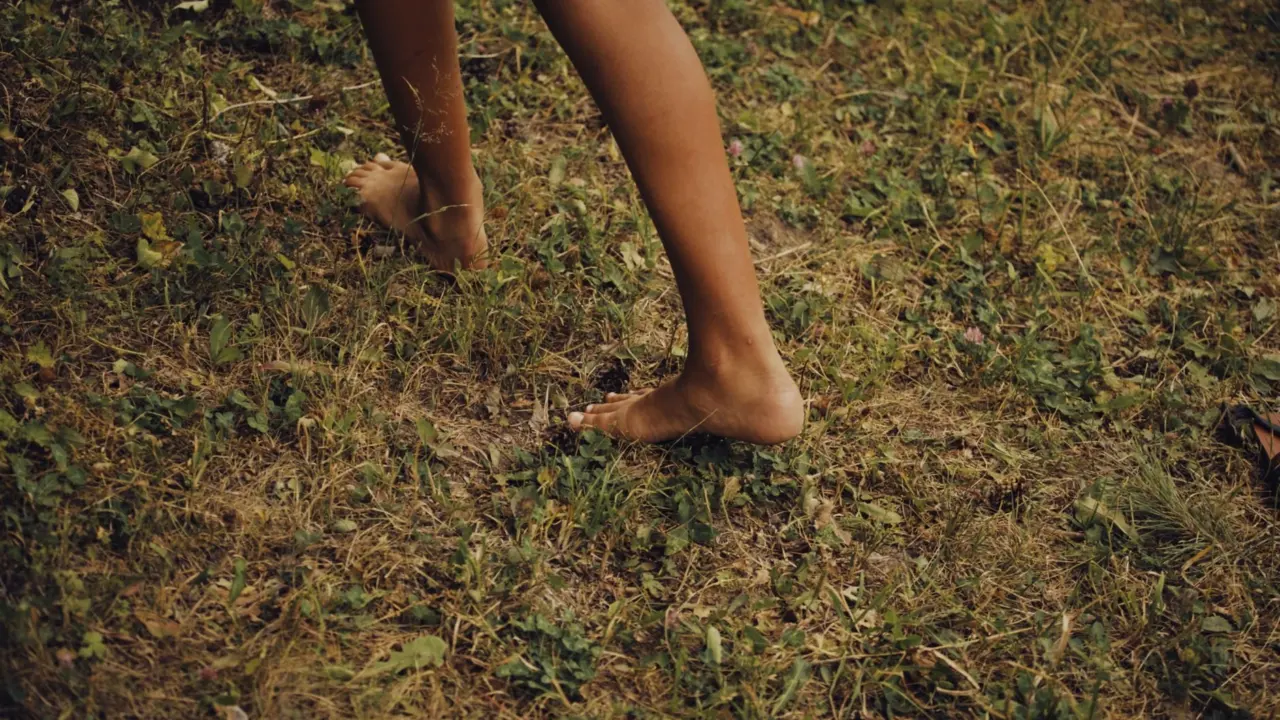
The benefits of walking barefoot centre on foot strength, balance and posture, but the research is thin and the transition matters. Start with short sessions on soft, clean ground and build up slowly.
If you are building routine movement into a quit attempt, barefoot walking is one gentle option among several ways to use exercise to help quit smoking.
Why feet respond differently without shoes
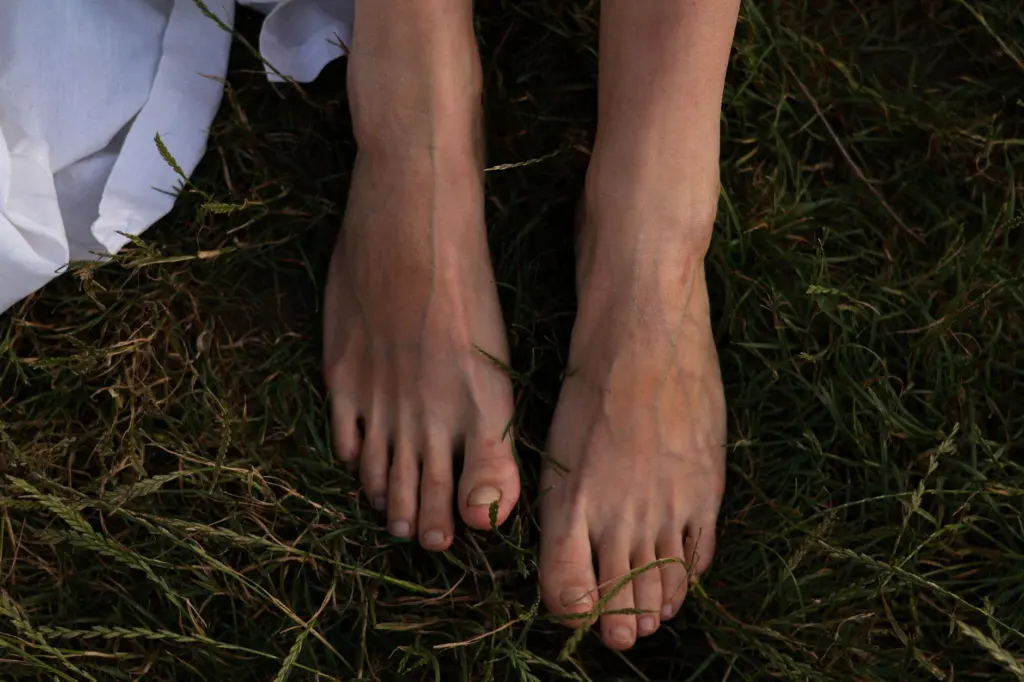
Walking barefoot changes the job your feet do. Each foot has 33 joints that move on three planes, and a shoe can limit how much of that movement you use. Cushioned midsoles may also dull the sensory input your feet send up while you walk, which the same article links to poor posture, reduced balance over time and even arch collapse. These are possibilities, not guaranteed outcomes.
The practical logic follows from that. When the sole meets the ground directly, the small muscles inside the foot have to manage more of the work, and the foot receives clearer feedback about the surface. Better foot muscle use and clearer feedback are the plausible routes to steadier balance and posture, and they are the reason people take up the habit.
The flip side matters just as much. A podiatrist quoted in a foot-care guide warns that without appropriate strength in the foot, you risk poor walking mechanics. Feet that have spent years in supportive shoes may not be ready for full-time barefoot use, so the benefit depends on building strength gradually rather than switching overnight.
What the research shows
Walking barefoot can be good for you, but the evidence does not yet prove it. The best-organised evidence is a systematic review of barefoot and shod running. It included 23 articles, with quality scores between 13 and 19 out of 27 points. That is a modest evidence base, and it concerns running rather than everyday walking.
Gait differences
The review found moderate evidence for several biomechanical differences when people run barefoot compared with running in shoes: lower maximum vertical ground reaction force, a shorter stride and a higher stride frequency. In plain terms, barefoot movers tend to take quicker, shorter steps and hit the ground less hard at the peak. Those changes are the likely mechanism behind claims of better foot control, but the review does not turn them into proven health gains.
What remains unsettled
The same review states that, because of the lack of high-quality evidence, no definitive conclusions can be drawn about specific risks or benefits. National Geographic’s reporting adds that there is no conclusive data on whether footwear choice affects injury risk. So two claims you may see online, that shoes cause foot weakness and that barefoot walking prevents injury, are both unsettled.
The sensible reading is to treat barefoot walking as a low-cost experiment for healthy feet, not a treatment. Expect modest changes in how your feet feel and work, and do not expect it to fix an existing foot, balance or posture problem. If you already have one, a podiatrist is the right first call.
Barefoot walking as gentle activity when you are quitting
Short, slow-building barefoot sessions suit people who want light movement without a demanding routine. That includes people in the early weeks without cigarettes who are looking for something manageable to do with restless time. The cautious progression the guidance calls for fits that goal: start small, add a little each week and stop if something hurts.

Treat it as one piece of a wider plan rather than the whole plan. If weight is a concern after quitting, the How To Quit Smoking Without Gaining Weight: A Practical 8-Week Plan – Canstopsmoking pairs activity with eating and routine changes. For the food side, Feel Full, Eat Less: 17 High-Volume, Low-Calorie Snacks Backed By Science (2026 Picks) – Canstopsmoking lists snack options that fill you up for fewer calories.
A realistic expectation keeps the habit enjoyable. The aim is a regular, easy walk that your feet tolerate, not a quick fix for mood or fitness.
Risks and who should avoid it
Barefoot walking is not for everyone. National Geographic notes that, like any fitness trend, the barefoot movement may not suit every person, so the approach should be personal. The main hazards are an over-fast transition and exposure of bare skin to the ground.
| Risk | What the guidance names | Planning use |
|---|---|---|
| Switching too quickly | Underused muscles and tendons can be overloaded, causing stress fractures, plantar fasciitis or Achilles tendonitis | Increase time gradually and avoid long barefoot walks in the first sessions |
| Outdoor exposure | Feet can be exposed to harmful bacteria and infections, including cuts and fungal infections | Choose clean ground and look over your feet after each walk |
| Limited foot strength | Poor walking mechanics and a higher risk of injury | Build strength slowly; see a podiatrist if your feet already cause problems |
Figures and warnings above come from National Geographic’s reporting on barefoot walking and a podiatrist-informed foot-care guide.
Who should hold off
Ask a clinician or podiatrist before starting if you have diabetes, a foot injury, an open wound or any ongoing foot condition. The guidance does not single out diabetes, but its two main warnings, overloaded tissue and infection from cuts, matter most when your feet already need extra care. Someone with weak or painful feet should also build strength first. Everyone else can proceed, provided they follow the gradual approach below.
Starting safely
A safe start is short, soft and slow. Follow these actions in order:
- Pick a soft surface. The guidance recommends beginning on a soft surface, then moving to a short walk.
- Keep early sessions short. Begin with short 15-minute sessions and give your feet and ankles time to adapt.
- Add distance slowly. National Geographic’s advice is to increase the mileage slowly, adding a bit more each week. Switching too quickly can be a recipe for injury.
- Examine your feet daily. Look for cuts, blisters or other injury so a small problem does not become an infection.
Treat barefoot time as an addition to your routine at first rather than a replacement for all your usual walking. The more your feet adapt, the more you can extend it, always at the pace your feet allow.
Frequently asked questions
Is walking barefoot good for you?
It can be for people with healthy feet who build up gradually. It may help foot muscles, balance and posture, but current evidence is too limited to promise specific health gains.
Do narrow shoes affect foot muscles?
They can. Most modern shoes have a tapered toe box, which limits toe engagement and the use of the small muscles inside the foot, according to National Geographic’s reporting.
When should I stop a barefoot walk?
Stop at any sharp pain. Sharp pain is a signal to rest, not something to push through, especially during the early weeks of adaptation.
Is the research on running relevant to walking?
Only partly. The systematic review covered running, so its findings on stride and ground reaction force describe running rather than a daily walk, and the review itself draws no definitive conclusions.