| Week | Minutes | Speed | Incline | Planning use |
|---|---|---|---|---|
| First | 20 | Slow and comfortable | 0% | Sets the habit. Lower the speed if you cannot sustain the full 20 minutes. |
| Second | 20 | Slow and comfortable | 0% | Repeat the same session so the routine beds in before anything gets harder. |
| Third | 30 | Moderate walking speed | 0% | Lengthen the walk first; keep the treadmill flat while your legs and breathing adapt. |
| Fourth | 30 | Moderate to fast walking speed | 5% | Add a gentle hill only if the third week felt manageable. Otherwise repeat the third week. |
Durations, speeds and inclines for the first and last weeks follow the beginner settings published by Nuffield Health, and the effort guidance below draws on BarBend; the middle weeks bridge between them.
A beginner treadmill walking workout suits recent quitters when it starts slow: 20 minutes at a comfortable speed and 0% incline, then more minutes and a slight hill only when it feels manageable. Check with a doctor first if you have health concerns.
The walk works best as one part of a wider routine of exercise to help quit smoking, alongside sensible eating and rest.
Why treadmill walking is a sensible first workout
Treadmill walking is a good first exercise after quitting because it is simple, low impact and easy to dial down. BarBend quotes an expert who says walking stands out for its simplicity and low impact, and describes it as easier on the body than high-impact cardio. That matters in the first weeks without cigarettes, when your body is adjusting and you want a workout you can finish and repeat.
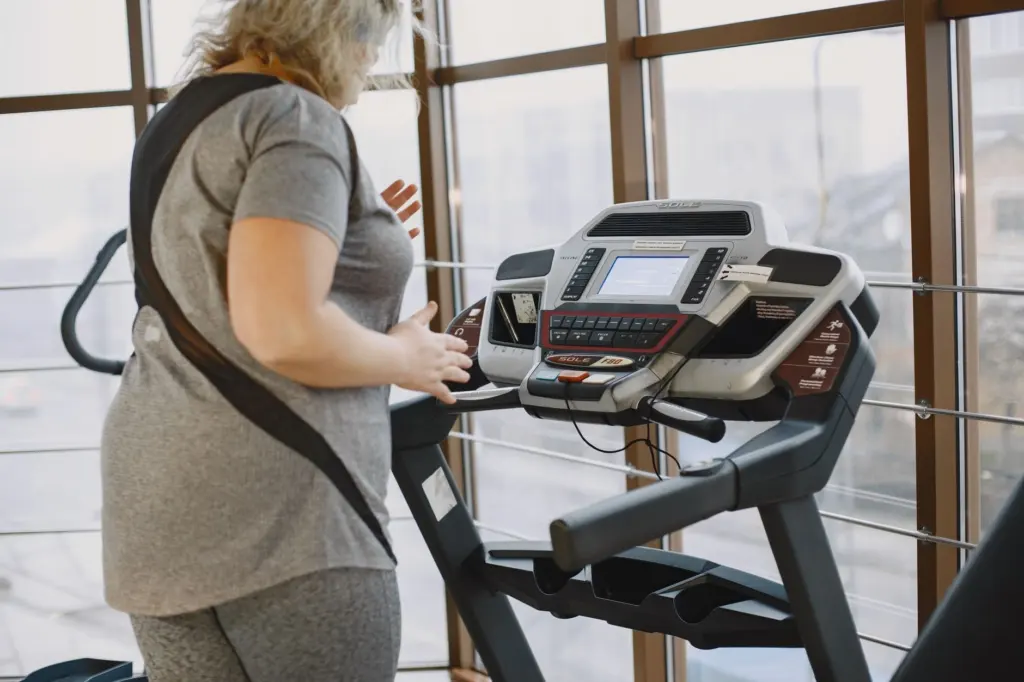
The machine also removes decisions. You set the belt speed, so you are not tempted to push the pace on a downhill street or give up when the weather turns. Nuffield Health recommends a slow, steady session as the best place to start if you are new to the gym or have just bought a treadmill.
Do not mistake gentle for effortless. A beginner-focused roundup from Popsugar points out that walking is not necessarily easy just because it is walking, and advises getting comfortable walking before moving to walk-jog workouts. For a recent quitter, that is the practical case for staying with walking until it feels routine.
What this means in practice
- Consistency beats ambition. A session you can repeat is worth more than a hard one you dread.
- Walking first, jogging later. Treat running as a second stage, not a starting point.
- Easy is allowed. A slow week is a legitimate part of the plan, not a failure.
Setting speed, duration and effort
Start with duration rather than intensity. Nuffield Health’s beginner treadmill session is 20 minutes at a slow, comfortable speed and 0% incline, and the same guide says that duration counts, so you should not start too big. If you cannot sustain that level for the full 20 minutes, reduce your speed rather than cutting the walk short.
Choosing how long and how often
Once 20 minutes feels comfortable, longer steady walks are the next step. BarBend suggests setting a timer for 30, 45 or 60 minutes and walking steadily two or three times per week. For a recent quitter, 30 minutes is the natural ceiling for the first month; the longer options are for later.
The demanding end of treadmill walking is a different matter. BarBend’s 12-3-30 walk uses an incline of 12 (or 10 if that is your machine’s maximum), a speed of 3 mph and 30 minutes, and advises beginners to start with once per week. Nuffield Health’s beginner incline walk is far gentler: 30 minutes at a moderate to fast walking speed and 5% incline. That is why the plan stops at 5%.
Using heart rate as a guide
If you track heart rate, Nuffield Health suggests keeping it at no more than 70% of maximum for low-intensity steady walking or jogging aimed at fat loss. Treat that as a ceiling, not a target; a comfortable walk will often sit below it. BarBend’s interval walking bands place medium effort at 65 to 70% of maximum heart rate, hard at 70 to 80% and very hard above 80%. Brisk walking raises heart rate and blood circulation, so even the early sessions are doing real work.
Adding intervals later
Intervals are optional and belong after the plan’s last week. If you want a first taste of variation, alternate short stretches at medium effort with easy walking, staying within the medium band above. A walk-jog structure from Nuffield Health, jogging slowly for 3 minutes then walking for 1 minute for 5 sets, is the usual next progression, and the guide Start Running: An 8-Week Beginner’s Guide To Build Confidence And Endurance In 2026 – Canstopsmoking picks that thread up.
Walking, cravings and weight
Walking helps with weight control, but only as part of a wider approach. Nuffield Health states that all movement is great for weight loss, and describes interval training as proven effective as part of a wider weight loss regime. That framing is the useful one after quitting: the treadmill supports your efforts with food and sleep rather than replacing them. No calorie figure is attached to these beginner sessions, so do not judge a walk by a number on the console.
For cravings, treat a planned walk as a ready-made alternative activity when an urge arrives. It gives you a defined block of time with a clear start and finish, which is a practical tactic rather than a guaranteed effect. If cravings stay strong, raise them with a doctor or pharmacist, because exercise is a companion to quit support rather than a substitute for it.
Warm-up, cool-down and footwear
Warm up before every session. BarBend’s expert tip is simply not to forget to warm up, and its interval walk opens with 5 minutes at a moderate pace at incline setting 1. In the first weeks of this plan, use the same 5 minutes but at an easier pace, then settle into your target speed.

Before you press start
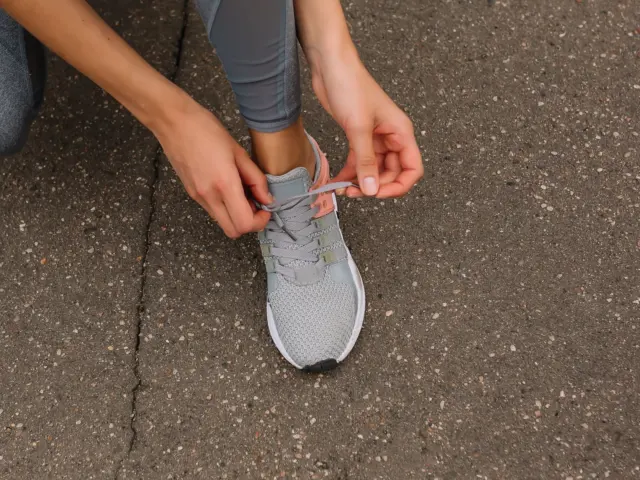
- Footwear. Wear supportive trainers with the laces fastened.
- Space and stop control. Clear the area around the machine and know how to stop the belt quickly.
- Starting speed. Begin at the lowest comfortable setting and raise it gradually.
Finishing the session
Slow the belt gradually at the end rather than stopping abruptly, then step off and loosen the legs. Cooling down is also a good moment to note how the session felt, which tells you whether to move up a week or repeat it.
When to slow down, stop or see a doctor
See a doctor before starting if you have any health concern, since BarBend notes that it is always a good idea to consult a trusted medical professional before beginning a new training regimen. That applies with extra force after years of smoking, when you may not know how your heart and lungs respond to exercise.
During the plan, treat unusual tiredness as a signal. BarBend’s advice is to slow your pace if you feel unusually fatigued. Chest pain, dizziness or severe breathlessness go beyond tiredness: stop the belt, rest and speak to a doctor before your next session.
Moving on after the plan
When the fourth week feels comfortable, you have two sensible directions. If you enjoy hills, the guide Incline Walking: 7 Surprising Health And Fitness Benefits Backed By Science (2026 Guide) – Canstopsmoking explains what raising the gradient does. If you want more challenge from pace, the walk-jog structure above leads towards running. Either way, move one variable at a time: change duration, speed or incline, not all three at once.
Frequently asked questions
Is treadmill walking a good first exercise after quitting smoking?
Yes, for most people. Walking is gentler on the joints than running or jumping, and you decide how quickly the belt moves. If you have a health condition, talk with a trusted medical professional before you begin.
How fast and how long should a former smoker walk at first?
Begin with 20 minutes at a slow, comfortable speed and 0% incline, and lower the speed if you cannot sustain the full session. Build duration before adding incline.
Does walking help with cravings and weight gain?
Movement supports weight control as part of a wider regime that includes eating and sleep. A planned walk also gives you something to do when an urge arrives, though it is not a replacement for quit support.
When should I stop and see a doctor?
Slow down if you feel unusually fatigued. Stop the session for chest pain, dizziness or severe breathlessness and speak to a doctor, and consult one before starting if you have health concerns.