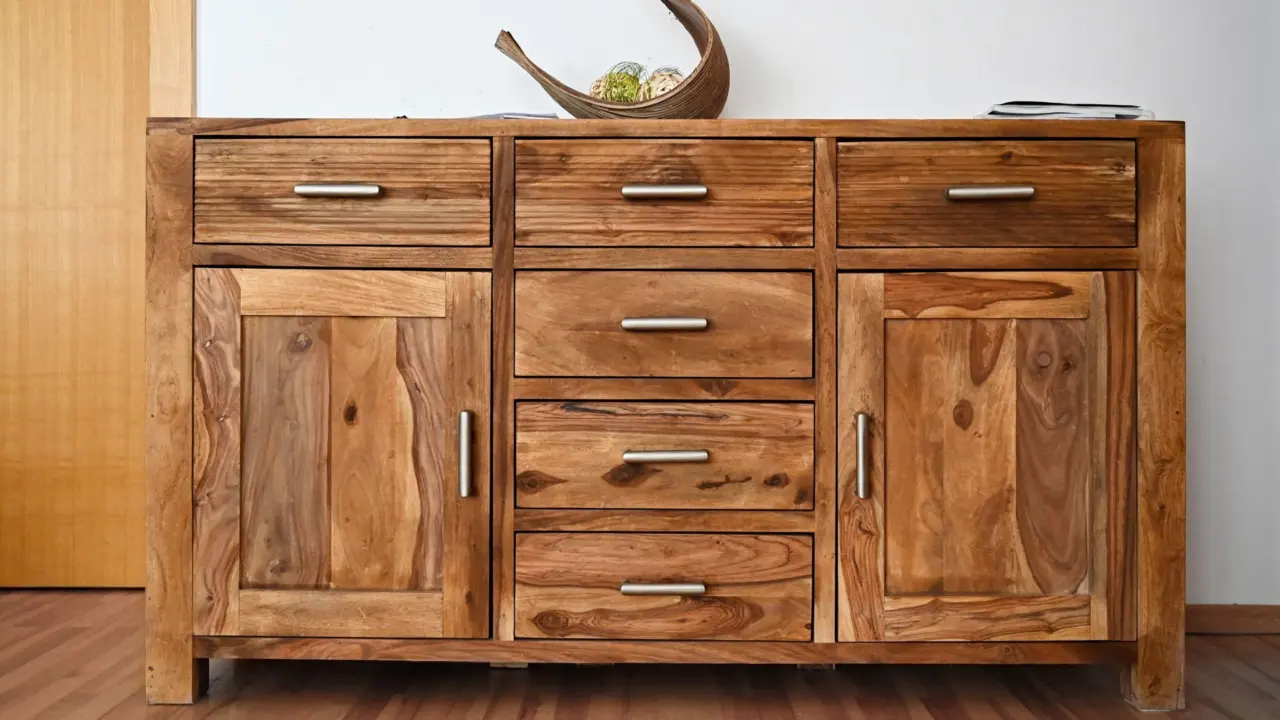
Here is how to get smoke smell out of wood furniture: wash the piece, steam it only if the wood is unfinished, then deodorize with baking soda or activated charcoal. Sand and reseal only if the odor persists.
The finish decides how much water, vinegar and steam a piece can take, so the method matters as much as the product. If the smoke came from your own habit, what happens when you quit smoking shows what changes once the source stops.
Why smoke odor lingers and why order matters
Smoke odor does not leave wood because you add another scent on top. Restoration guidance states plainly that simply covering up cigarette smoke with another scent does not remove it, so removal has to come before any fragrance.
The same guide describes removal as a progressive job: clean first, then steam, then deodorize. The order is not reversible, because deodorizers work best on a surface that is already free of residue. Steam is useful on unfinished wood because it penetrates the wood to lift odor molecules, which also explains why wiping the surface alone often leaves unfinished pieces smelling of smoke.
In practice, work out the finish before you buy anything. A sealed surface and raw wood need different amounts of moisture, and a thin veneer needs the least of all.
Methods by finish type
The table turns the finish into a starting method. Treat it as a first pass and test any cleaner on a hidden spot before you use it on a visible surface.

| Finish or condition | Suited approach | Limit to respect | Planning use |
|---|---|---|---|
| Sealed wood | Wash with degreaser solution, 1 part degreaser to 6 parts water; follow with a light wipe of 1 part white vinegar to 1 part water if odor remains | Do not over-saturate the surface | Start here for most finished tables, dressers and cabinets |
| Unfinished wood | Steam cleaning to lift odor molecules | Keep windows open and fans running; apply vinegar only lightly | Best choice when wiping does not reach the smell |
| Thin, damaged or veneered wood | Use less water and dry manually with towels | Avoid wet methods that leave moisture sitting | Rely on baking soda and charcoal rather than repeated washing |
| Drawers and enclosed spaces | Baking soda left for 24 hours, then charcoal in or near the piece | Charcoal works over days, not hours | Use after washing, when surface cleaning has done what it can |
| Severe or persistent odor | Sand gently, then apply a new sealant | Labor-intensive | Reserve for when gentler methods have failed |
Figures come from restoration guidance on smoke odor in wood and a furniture maker’s care guide.
Sealed wood
Sealed wood is the easiest case. Wash it, dry it, and deodorize. If you want a stronger cleaner than the degreaser mix, a restoration guide that finishes with shellac cleans the piece thoroughly with a TSP and hot water solution first, then lets it dry fully.
Unfinished wood
Raw wood is where steam earns its place. Because unfinished wood takes in odor, steam that penetrates it can do what a damp cloth cannot. Ventilate well while steaming, and keep any vinegar use light, since over-saturating raw wood risks damage.
Thin, damaged or veneered wood
Veneer and damaged surfaces call for restraint. The guidance is to use less water and dry the piece by hand with towels. For these pieces, favor the dry methods below over repeated washing.

Cleaning and deodorizing in order
Work through these stages in sequence and stop as soon as the smell is gone.
- Prepare the space. Open windows, run fans and test your cleaner on a hidden area.
- Wash the surfaces. Use a degreaser solution of 1 part Simple Green Degreaser to 6 parts water, or the TSP and hot water mix described above. Dry the piece completely.
- Steam if the wood is unfinished. Skip this on veneer and damaged wood.
- Deodorize. Use baking soda, then activated charcoal if a trace of smell remains.
- Refinish only if needed. Sanding and sealing come last.
Using white vinegar
White vinegar is a reasonable middle step for odor that survives washing. A furniture maker’s guide recommends a diluted solution of 1 part white vinegar to 1 part water, applied lightly with a soft cloth. Keep the cloth barely damp rather than wet, and do not repeat the wipe on raw wood.
Baking soda for drawers and surfaces
Baking soda suits the stage after washing. The same guide has you spread a generous amount over the wood surface and leave it for 24 hours. It is especially effective for organic odors, which makes it a sensible first deodorizer for stale smoke that has settled into a drawer. Wipe or vacuum it away when the time is up.
Activated charcoal
Activated charcoal is the patient option. Place bowls inside or near the furniture, and keep them there while the smell fades. It is odorless and leaves no residue, so it is safe to leave in contact with enclosed spaces. For drawers, a restoration guide suggests lining them with activated charcoal-embedded litter box mats or puppy pads, which is an easy way to keep charcoal in place without loose granules.
Airing the piece
Fresh air helps, but not unlimited sun. Furniture makers advise avoiding prolonged exposure to direct sunlight, which can damage the wood. A bright, ventilated room is a better place to leave a deodorizing piece than a sunny patio.
When to refinish
Refinishing is the right call when washing, steaming, baking soda and charcoal have not shifted the smell. The furniture maker’s guidance describes sanding the surface gently to avoid damaging the wood, then applying a new sealant, and calls this approach labor-intensive but necessary for severe or persistent odors.
That makes the decision simple. Choose refinishing for a piece you want to keep and that still smells after the gentler methods have had time to work. Do not start there, because sanding removes finish you cannot put back as it was.
A restoration guide that uses shellac shows what a light version looks like: clean the piece, let it dry, lightly sand the visible surface with 220 grit sandpaper, and apply clear shellac. Brushes and tools clean up with denatured alcohol, which is the supported solvent for shellac. Sand with care on veneer, which the guidance treats as thin and easy to damage.
Related smoke-odor guides
Fabric holds smoke differently from wood. For the soft items in the same room, see How To Remove Cigarette Smell From Clothes In 2026: Fast, Lasting Methods That Work – Canstopsmoking. If the smoke came from your own habit, What Happens After You Quit Smoking: A Practical Timeline Of Health Benefits, Symptoms, And Tips (2026 Guide) – Canstopsmoking lays out what to expect once you stop.
Frequently asked questions
Does vinegar damage wood?
It can if you over-apply it. Diluted vinegar applied lightly is the recommended use, and over-saturation is what risks damage, so raw wood needs the lightest touch.
How long does charcoal take to remove smoke smell?
Expect days rather than hours. Activated charcoal is described as a slow remedy for persistent odors, with bowls left inside or near the furniture for several days.
Can I cover the smell with a fragrance instead?
No. Covering smoke odor with another scent does not remove it, so wash and deodorize first.
Will baking soda work on every smoke smell?
Not always. It is especially effective for organic odors but may be less effective for chemical smells, so move to charcoal or refinishing if a trace remains.