Someone who quit smoking weeks ago still gets winded on stairs and wonders whether breathing exercises for lungs can help. Yes: regular, slow pursed-lip and belly breathing can help clear stale air from the lungs, but they support recovery rather than replace medical care.
The sections below separate what these exercises do from what they do not, give the steps with timings, and show how to build up gradually. They sit alongside other exercise to help quit smoking habits rather than competing with them.
How breathing exercises work, and what they do not do
Breathing exercises retrain the muscles that move air. The American Lung Association explains that in healthy lungs the diaphragm does about 80 percent of the work of filling them. When the diaphragm underperforms, the body starts to use other muscles in the neck, back and chest for breathing. Belly breathing is built around handing that work back to the diaphragm.
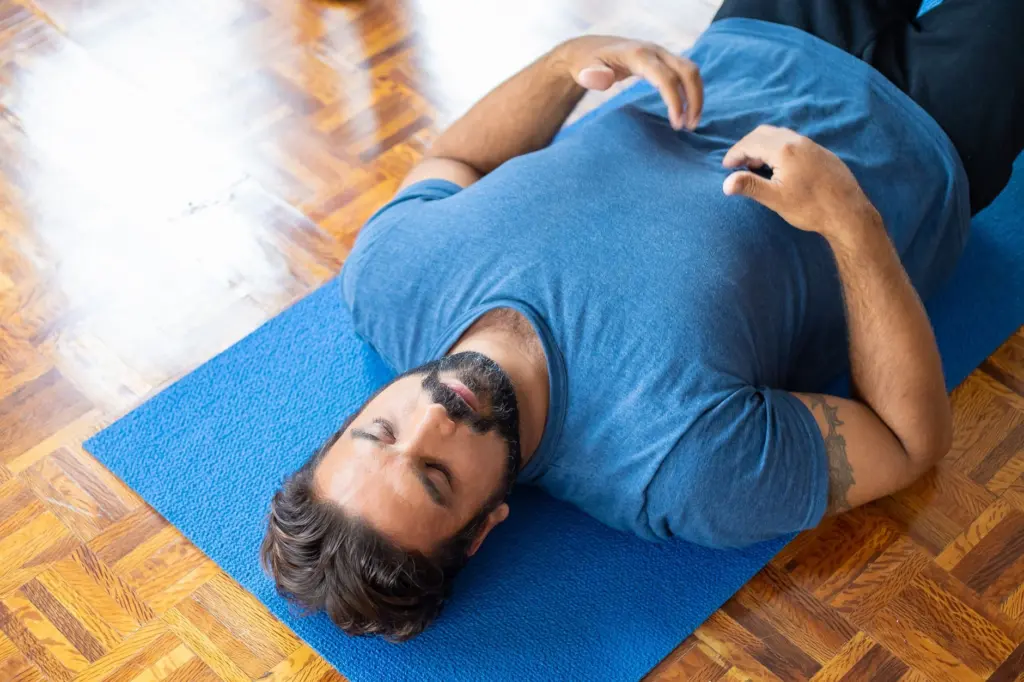
The same organisation says that, if practiced regularly, breathing exercises can help rid the lungs of accumulated stale air and increase oxygen levels. That is a reasonable expectation of breathing more efficiently. It is not a promise of a particular test result. Treat “lung capacity” as how fully and comfortably you can use your lungs, not as a number you are guaranteed to raise.
| Common misunderstanding | What is supported | Planning use |
|---|---|---|
| Exercises repair lungs damaged by smoking | Smoking damages lung tissue and limits the ability to breathe deeply. Regular practice can help clear stale air and increase oxygen levels. | Aim for easier, more efficient breathing, not a reset of the lungs. |
| A deep breath means lifting the chest | The diaphragm does about 80 percent of the work in healthy lungs. Neck, back and chest muscles take over when it underperforms. | Practise letting the belly move while the chest stays quiet. |
| Exercises replace medical care | Pulmonary rehabilitation specialists teach these exercises to people with chronic lung diseases such as asthma and COPD. | Use them as a supplement and raise persistent symptoms with a clinician. |
These points draw on the American Lung Association’s breathing exercise guidance and a lung-function wellness guide for the effect of smoking.
Step-by-step: the exercises that count
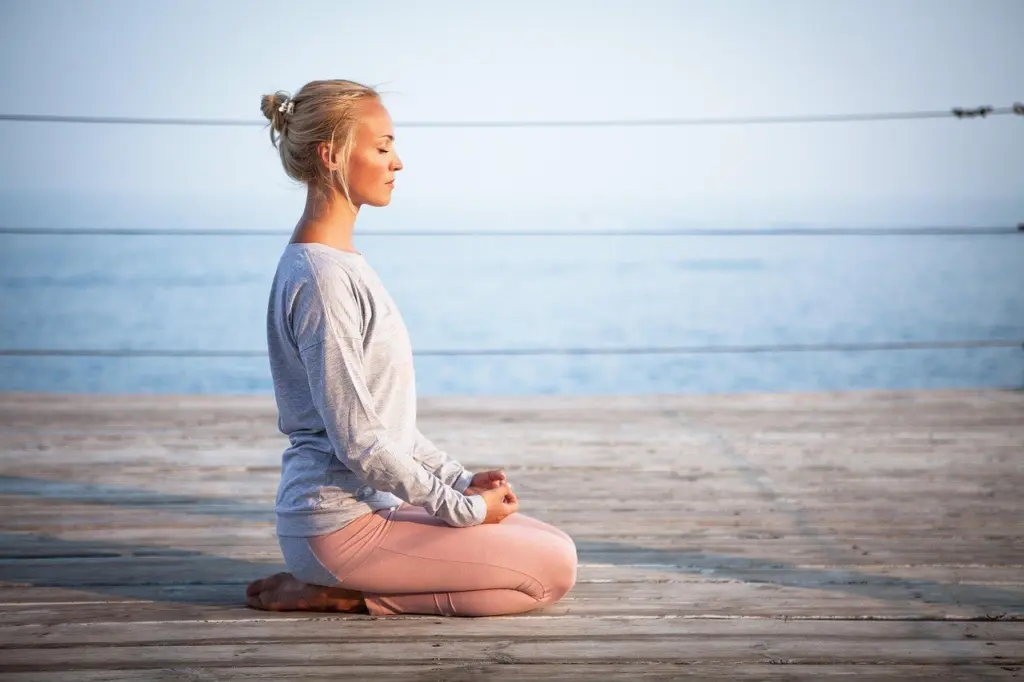
Two techniques have direct support for people who want to improve how they breathe: pursed-lip breathing and diaphragmatic (belly) breathing. Both are slow, seated or lying exercises that need no equipment. Learn them in that order, because the first is simpler to do correctly.
Pursed-lip breathing
Pursed-lip breathing is the better first choice if breathlessness hits during activity. The American Lung Association says it reduces the number of breaths you take and keeps your airways open longer. The key is a long, unhurried exhale.
- Sit upright. Let your shoulders drop and your hands rest loosely.
- Breathe in through the nose. A lung-function guide suggests about 2 seconds.
- Purse your lips. Shape them as if they were holding an invisible straw, as described in an Art of Living breathwork guide.
- Breathe out slowly through the pursed lips. The American Lung Association says to exhale at least twice as long as the inhale. One guide gives 4 seconds or longer, and the Art of Living guide counts four or six.
Diaphragmatic (belly) breathing
Belly breathing suits you if you notice your shoulders and upper chest doing most of the work. A regional health system’s breathing guide describes the movement: place a hand on your belly, then inhale so that hand rises while the chest stays still.
- Place one hand on your belly. This lets you feel whether the belly or the chest is moving.
- Inhale and let the belly hand rise. Keep the chest as still as you can.
- Exhale fully through the mouth. The American Lung Association says to breathe out at least two to three times as long as the inhale. The Pullman guide adds that squeezing the abdominals helps push the air out.
- Repeat and relax. The American Lung Association gives 5 to 10 minutes for a belly breathing session.
Box breathing as a pacing option
Box breathing is a steady, equal-phase pattern rather than a lung-specific technique. The Pullman guide suggests 4 seconds per phase as a starting point and repeating for at least a few cycles. The same guide warns that people with heart issues, pregnancy, high blood pressure or anxiety should consult a doctor before practising these techniques, because they can cause extremely high or extremely low respiration rates.
Building up without overdoing it
Progress by lengthening the exhale and the session slowly, never by forcing bigger breaths. Each stage below should feel comfortable before you move on.
- Learn the exhale. Practise seated pursed-lip breathing until the long exhale feels natural and unforced.
- Add belly breathing. Use the hand on the belly to confirm that the chest stays quiet.
- Lengthen the exhale. Move from an exhale counted to four toward a count of six, as the Art of Living guide describes.
- Try a counted pattern. The National Center for Integrative Primary Healthcare describes an abdominal breathing pattern with an inhale count of 4 and an exhale count of 6-8, repeated for 20 breaths at about 10 seconds each.
Consistency matters more than intensity, so tie practice to a fixed point in the day. The habit advice in How To Stay Motivated During Workouts: 10 Practical Strategies To Keep Going In 2026 – Canstopsmoking applies equally to a short daily breathing routine. When you are ready to add movement, Incline Walking: 7 Surprising Health And Fitness Benefits Backed By Science (2026 Guide) – Canstopsmoking covers one way to build breathing effort during exercise.
Using breathing exercises while quitting smoking
Breathing exercises can help after quitting smoking, mainly as a way to practise using your lungs more fully. A lung-function guide notes that smoking limits the ability to breathe deeply, so slow, deliberate breathing targets the very thing that suffers. Practice also gives you something to do with the hands and the mind when a craving arrives, although the evidence here covers breathing mechanics, not cravings.
The Art of Living guide names smoking, including second-hand smoke, as one of the two main causes of COPD. For that reason, breathlessness that lingers or worsens after quitting deserves a medical review rather than more self-directed exercise. If a diagnosis is made, the American Lung Association notes that pulmonary rehabilitation specialists teach these techniques to people with asthma and COPD, which is a better route than relying on a general routine.
Safety: dizziness and at-risk groups
Slow breathing is gentle, but it can still feel odd at first. The National Center for Integrative Primary Healthcare says some people feel slightly dizzy or lightheaded during breathing exercises. If that happens and you feel distressed, return to normal breathing and try a shorter, gentler session next time.
- Check first if you are at risk. The Pullman Regional guide says people with heart issues, pregnancy, high blood pressure or anxiety should consult a doctor before practising, and in some cases need supervision.
- Do not force the breath. The exercises rely on long, easy exhales. Straining or gulping air works against the technique.
- Stop if it feels wrong. Distress is a reason to return to normal breathing, not to push through.
Frequently asked questions
| Question | Answer |
|---|---|
| How often should I practice? | The American Lung Association says to practise both exercises about 5 to 10 minutes every day. If you prefer counting, one breathwork guide suggests repeating belly breathing steps 10-15 times once daily. |
| When should I see a doctor about breathlessness? | See a doctor if breathlessness persists or worsens, or if you have a heart condition, high blood pressure, anxiety or are pregnant before you begin. If you continue to be short of breath, the American Lung Association says to call 911 and seek immediate medical attention. |
| Which exercise should I start with? | Start with pursed-lip breathing if breathlessness appears during activity. Start with belly breathing if you notice your neck and chest muscles working hard while your belly barely moves. |