The best low calorie snacks help people stay on track with weight loss goals. This guide lists practical options that fit a low-calorie plan. It shows portions, calories, and quick notes. The guide helps readers pick snacks that satisfy hunger without adding too many calories. The list uses common ingredients and simple servings for easy shopping and prep. It also offers variations, preparation tips, and ideas for pairing snacks to extend fullness so the best low calorie snacks work in real life, not just on paper.
Key Takeaways
- The best low calorie snacks combine protein, fiber, and water to keep you full and energized without excess calories.
- Portion control and timing are crucial; eat snacks 2-4 hours after meals to avoid constant grazing and support steady energy.
- Choose whole, minimally processed foods like apple slices, Greek yogurt, and edamame for better satiety and nutrition.
- Prep and plan snacks in advance with portable, low calorie options such as rice cakes or frozen grapes to prevent impulse eating.
- Use low calorie snacks to supplement meals, not replace them, ensuring balanced nutrient intake throughout the day.
- Monitor your hunger and energy levels to adjust snack portions and content for optimal satisfaction and weight loss support.
Top 12 Low-Calorie Snacks Under 100 Calories (Quick Picks With Portions)
- Apple slices with cinnamon, One small apple provides about 80 calories. It gives fiber and a touch of sweetness. Tip: slice and sprinkle cinnamon for flavor without added sugar; pair with a tablespoon of low-fat cottage cheese for more protein if you need extra satiety (will add modest calories).
- Baby carrots with 1 tbsp hummus, Six baby carrots and one tablespoon hummus total about 70 calories. They add crunch and a bit of protein. Variation: swap hummus for tzatziki or mashed avocado when you want a creamier dip; use measured spoonfuls to stay under 100 calories.
- Greek yogurt (nonfat) 1/2 cup, A half cup of plain nonfat Greek yogurt runs near 60 calories. It supplies protein and a creamy texture. Add fresh berries or a sprinkle of ground flaxseed to boost fiber and keep energy steady without many extra calories.
- Air-popped popcorn, 3 cups, Three cups of air-popped popcorn contain about 90 calories. It offers volume for low calories. Prep tip: season with nutritional yeast, cinnamon, or a light spray of olive oil and spices rather than butter to keep calories low.
- Rice cake with 1 tsp peanut butter, One plain rice cake plus one teaspoon peanut butter totals about 70 calories. It gives a mild nutty flavor. For more texture, top with thin banana slices (watch portion size) or chia seeds for a tiny boost of omega-3s.
- Cucumber slices with lemon and salt, One medium cucumber sliced equals about 45 calories. It hydrates and fills without many calories. Make a quick salad by adding a tablespoon of crumbled feta or a few sprigs of dill for flavor while keeping calories low.
- Hard-boiled egg white, one large, One egg white has about 17 calories. It adds protein with almost no fat. For more substance, pair the white with a few cherry tomatoes or a whole-grain cracker to create a small balanced snack.
- Cottage cheese (low-fat) 1/4 cup, A quarter cup provides roughly 50 calories. It supplies casein protein for satiety. Mix with diced cucumber, pepper, or a few fresh herbs to turn it into a savory snack that feels more like a mini-meal.
- Frozen grapes, 1 cup, One cup of frozen grapes runs near 100 calories. It satisfies a sweet craving with whole fruit. Freeze in small batches and keep in portioned bags for a chilled, candy-like treat that helps slow nibbling.
- Cherry tomatoes, 1½ cups, One and a half cups total about 30 calories. They give quick vitamins and chew. Combine with a stick of low-fat string cheese or a small handful of olives for a Mediterranean-style snack under 100 calories.
- Edamame, shelled, 1/4 cup, One quarter cup shelled edamame contains about 90 calories. It offers plant protein and fiber. Steam and season with a pinch of sea salt or chili flakes; edamame is particularly good as a post-workout or afternoon pick-me-up.
- Celery sticks with 1 tbsp Greek yogurt dip, Three celery sticks plus one tablespoon dip total about 40 calories. They add crunch and a small creamy bite. Try swapping the dip for a tablespoon of light cream cheese mixed with herbs for variety while keeping calories controlled.
Each snack here fits the best low calorie snacks idea. Each snack uses simple portions to stay under 100 calories. Each option works for quick hunger control and for between-meal energy. For many people, pairing two small items (for example, a half cup Greek yogurt plus a few cucumber slices) can stretch fullness while still staying modest in total calories.
How To Choose Low-Calorie Snacks That Keep You Full And Energized
People should pick snacks that combine protein, fiber, and water. Protein slows hunger. Fiber adds bulk. Water adds volume without calories. The best low calorie snacks include at least one of these elements, and ideally two. That combination helps blunt blood sugar spikes and prevents a quick return of hunger.
People should evaluate hunger signals before eating. True hunger often grows slowly. Cravings appear suddenly and often link to emotions. The best low calorie snacks fit true hunger and avoid feeding cravings alone. If a craving strikes, choose a small portion of a satisfying, nutrient-dense snack rather than a large serving of empty calories.
People should prefer whole foods over processed options. Whole foods deliver nutrients and more satiety. Packaged low-calorie items may contain sugar substitutes and additives that reduce fullness. When choosing packaged snacks, scan ingredient lists and choose items with recognizable ingredients and reasonable protein or fiber per serving.
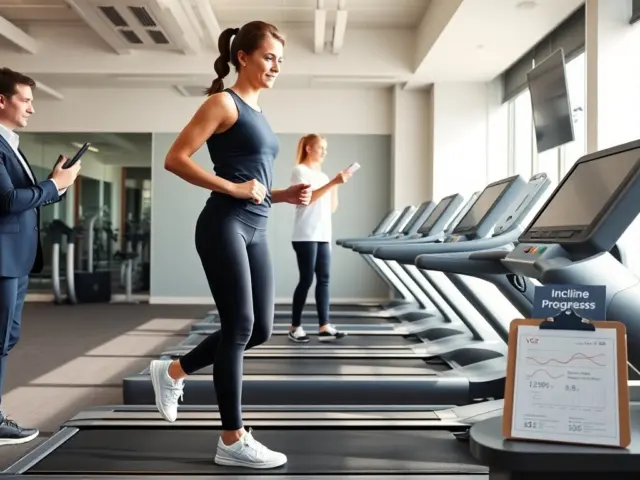
People should consider how the snack fits the day. A mid-afternoon snack can prevent late-night overeating. A pre-workout snack can raise energy without heavy calories. The best low calorie snacks match the timing and activity level. For example, choose a protein-forward option (yogurt or edamame) before a workout and a hydrating, fiber-rich snack (fruit or vegetables) when you need steady energy at your desk.
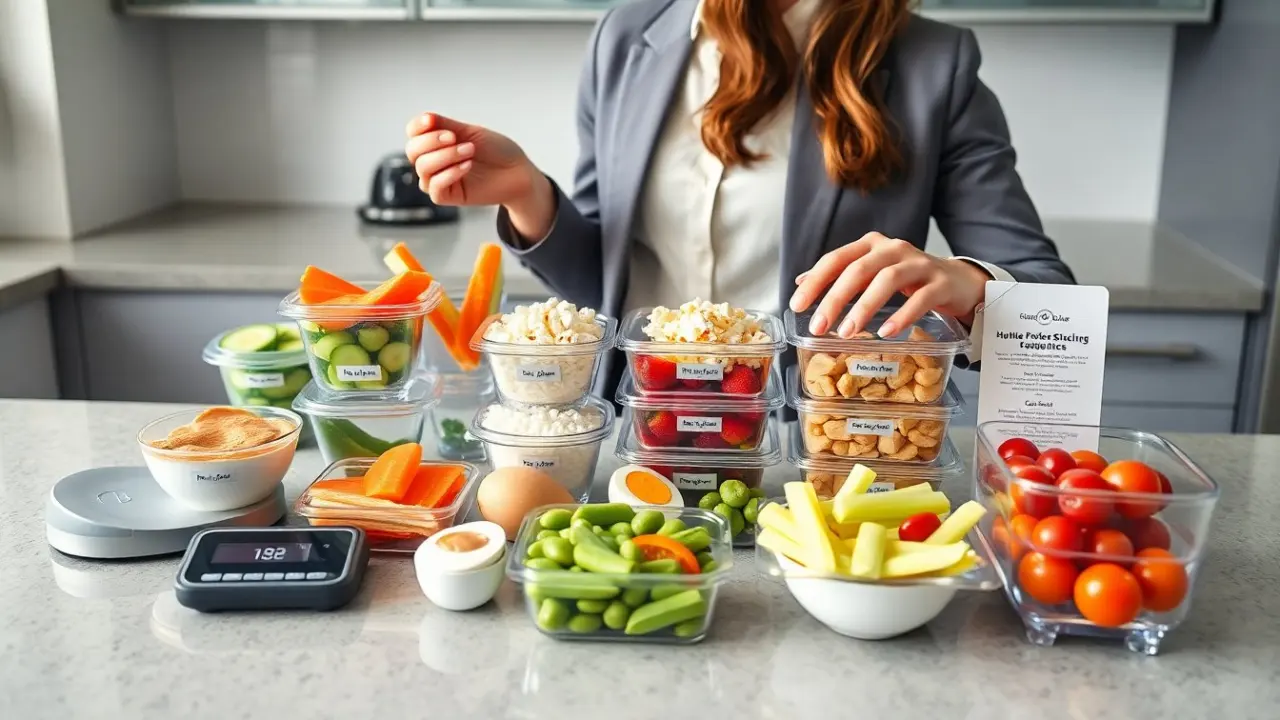
People should check portions and read labels. A serving on a package may differ from a typical portion. The best low calorie snacks use clear portions and measure when needed. People can pre-portion snacks into small containers to avoid overeating. Labeling containers with portion sizes or calories can make weekly prep easier and keep choices consistent.
Finally, rotate snacks and use flavors to prevent boredom. Switching between savory and sweet, or trying different herbs and spices, helps sustain a low-calorie snacking habit. The best low calorie snacks are the ones you actually enjoy and will reach for instead of higher-calorie alternatives.
Portion, Timing, And Nutrient Tips For Making Low-Calorie Snacks Work
Portion control helps keep calories low. People should use measuring cups or a kitchen scale at first. They should learn standard portions, like one cup of grapes or three cups of popcorn. Over time, visual cues (a handful of nuts or the size of a tennis ball for fruit) make on-the-go portions easier.
Timing affects hunger and energy. People should eat snacks two to four hours after a meal if hunger returns. They should avoid constant grazing. The best low calorie snacks come between meals, not as continuous nibbling. If you find yourself snacking every hour, reassess meal composition—adding more protein or vegetables at meals can reduce the need for frequent snacks.
Combine protein with fiber in snacks. Examples include Greek yogurt with berries or edamame with a small apple. This mix slows digestion and keeps blood sugar steadier. If your snack is mostly carbohydrate (fruit, rice cake), add a small portion of protein like a tablespoon of nut butter, a few almonds, or a scoop of low-fat cottage cheese to extend fullness.
Use snacks to support meals, not to replace them. A balanced meal should provide the main protein and vegetables. Snacks should add a small dose of calories and nutrients to bridge meals. For example: mid-morning Greek yogurt to carry you to lunch, mid-afternoon carrot sticks and hummus to avoid the late-afternoon slump.
Plan snacks for convenience. People should prepare snack packs at the start of the week. They should choose portable items like rice cakes, grapes, and portioned nuts. Planning reduces impulse choices. Keep a small snack kit in your bag or desk with measured portions so you aren’t tempted to buy high-calorie convenience foods.
Track progress and adjust portions when needed. People should note how each snack affects hunger and energy. They should increase protein or fiber if hunger returns quickly. The best low calorie snacks adapt to personal needs and activity. If you exercise more on certain days, slightly larger protein-based snacks can help recovery without derailing calorie goals.
Sample snack pairings to try: a half cup nonfat Greek yogurt with a quarter cup berries; three cups air-popped popcorn plus a small apple; one rice cake with one teaspoon peanut butter and a few cucumber slices. These combinations show how to pair volume and protein for sustained fullness while keeping totals under or near 100 calories.