The benefits of walking backwards appear in research and practice and are increasingly recognized by clinicians, coaches, and active adults. The practice boosts balance, strength, and brain function while adding variety to exercise routines that can otherwise become repetitive. It requires little or no equipment, fits both indoor and outdoor spaces, and can be adapted to different ability levels. For people who want safe, efficient movement options, backward walking offers distinct neuromuscular and joint-protection advantages when introduced with clear progressions and basic safety strategies.
Key Takeaways
- Walking backwards improves balance, coordination, and reduces fall risk by challenging the nervous system to update step timing and foot placement.
- This practice strengthens muscles differently than forward walking, enhancing posture, muscular endurance, and joint protection, especially for knees and hips.
- Backward walking boosts cognitive function by requiring attention, planning, and sensory integration, which supports mental sharpness and executive function.
- It is a safe, equipment-free exercise suitable for many, including older adults and athletes, but should be started gradually with proper form and safety precautions.
- Consistent backward walking practice enhances proprioception and movement patterns, leading to better limb awareness and faster corrective responses.
What Is Backward Walking And Who Should Try It?
Backward walking means stepping backward in a controlled manner while keeping the torso upright and maintaining a steady, deliberate cadence. It is used by physical therapists as a rehabilitation tool, by strength and conditioning coaches as a cross-training method, and by fitness-minded individuals seeking movement variety. Good candidates include older adults with mild balance deficits, recreational athletes looking to address muscular imbalances, and people with certain types of knee pain who need alternatives to forward-loading activities. It is not appropriate without medical clearance for people with recent vestibular events, severe vision loss, uncontrolled cardiac conditions, or acute joint inflammation. As with any new activity, the benefits of walking backwards depend on using proper form, selecting a clear, hazard-free path, and progressing gradually from short bouts to longer sessions.
How Backward Walking Improves Balance, Coordination, And Fall Prevention
Backward walking challenges postural control in ways that forward walking does not, because visual feedback is reduced and timing demands change. The nervous system must adapt step timing, foot placement, and muscle activation patterns to maintain stability, which strengthens reactive responses to trips and slips. Clinical programs that incorporate backward walking report improvements in gait symmetry and fewer balance errors during functional tasks. For older adults, these changes can translate into lower fall risk during activities such as turning, backing away from a counter, or navigating crowded spaces. Practically, repeat exposure to backward steps trains quicker corrective steps and better coordination between ankles, knees, and hips.
How It Rewires Movement Patterns And Proprioception
Backward walking shifts sensory emphasis away from constant forward visual monitoring toward increased reliance on proprioception, vestibular input, and somatosensory cues from the feet. Each backward step provides new afferent signals about joint angles and pressure distribution; the spinal cord and brain integrate these inputs and adjust motor commands over time. With consistent practice, this leads to finer joint sense, improved timing of muscle contractions, and clearer awareness of limb position in space. Those improvements underpin faster, more accurate corrective steps when balance is challenged. Clinicians commonly observe stronger ankle dorsiflexion control and more timely hip activation after several weeks of progressive backward-walking drills.
Builds Strength, Improves Posture, And Protects Joints
Backward walking places load on muscles in different phases of gait compared with forward walking. It emphasizes eccentric control of the quadriceps during the backward step and engages the glutes and posterior chain in altered timing patterns. Because steps tend to be shorter and cadence often increases, the torso remains more upright which reduces forward trunk lean and can lower strain on the lumbar spine. This combination supports improved alignment during walking and can help distribute forces more evenly across joints. For runners and people with front-loaded knee pain, adding backward walking as a low-impact variation can reduce repetitive stress and provide a recovery-friendly stimulus while maintaining cardiovascular and muscular engagement.
Muscles Targeted And Effects On Knee And Hip Pain
Backward walking activates the quadriceps, glutes, hamstrings, and calf muscles in sequences that differ from forward gait, often reducing peak compressive loads across the patellofemoral joint. Many people with mild knee osteoarthritis or anterior knee pain find that short sessions of slow, controlled backward walking feel easier on the knee compared with downhill walking or running. The exercise also challenges hip control and abductor strength, which can improve lateral stability and reduce compensatory patterns that contribute to pain. Therapists commonly use backward walking alongside strengthening and movement-retraining strategies to lower pain while maintaining or increasing overall activity levels.
Cognitive, Neurological, And Mental Health Benefits — More Than Physical
Backward walking requires attention, spatial planning, and working memory because you must monitor foot placement, rhythm, and surroundings without the usual forward view. This cognitive demand provides a brief but meaningful workout for executive functions and dual-task performance, particularly in older adults. Motor challenges like backward walking are associated with improved processing speed, task-switching ability, and situation awareness in clinical and training settings. Beyond cognition, many practitioners and users report improved mood and motivation after mastering a new skill such as backward walking — a psychological boost that supports long-term adherence to active habits.
How To Start Safely And Progress Your Backward Walking Practice
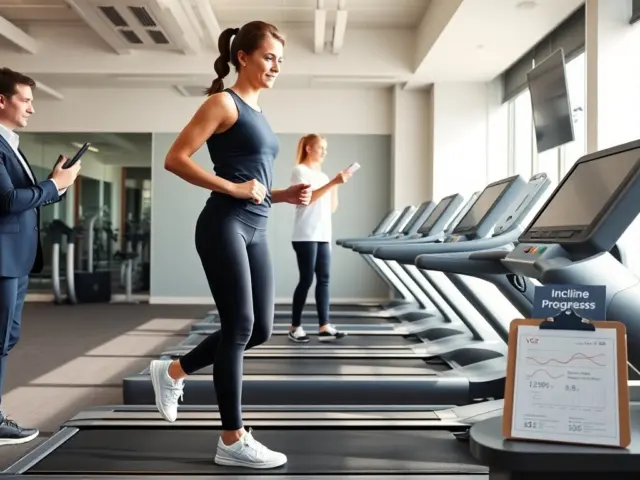
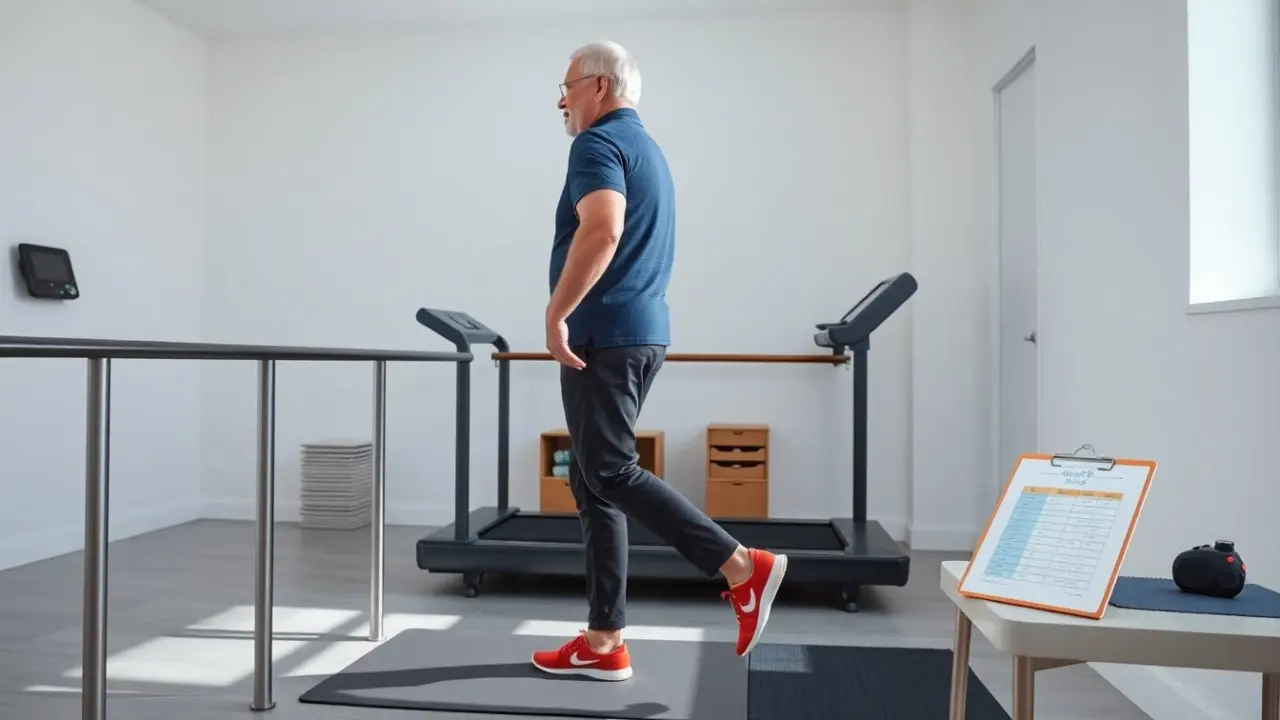
Start in a safe environment: stand near a wall, railing, or sturdy chair so you can regain balance if needed. Warm up with forward walking and ankle mobility drills. Begin with 20 to 60 seconds of backward walking followed by rest, repeating three to five times. Use short, deliberate steps, keep the gaze level or slightly up to preserve neck alignment, and focus on controlled foot placement rather than speed. Gradually increase duration by 10 to 30 seconds per session or add more repetitions as comfort and confidence grow. When ready, introduce gentle variations such as backward walking on slight inclines, backward marching, or single-leg backward taps to challenge balance further. Consider a slow, flat treadmill session only after mastering overground steps and always keep safety measures in place. Stop and consult a clinician if you experience persistent dizziness, sharp pain, or undue shortness of breath. With consistent progression and attention to form, the benefits of walking backwards accumulate into more confident, resilient movement.