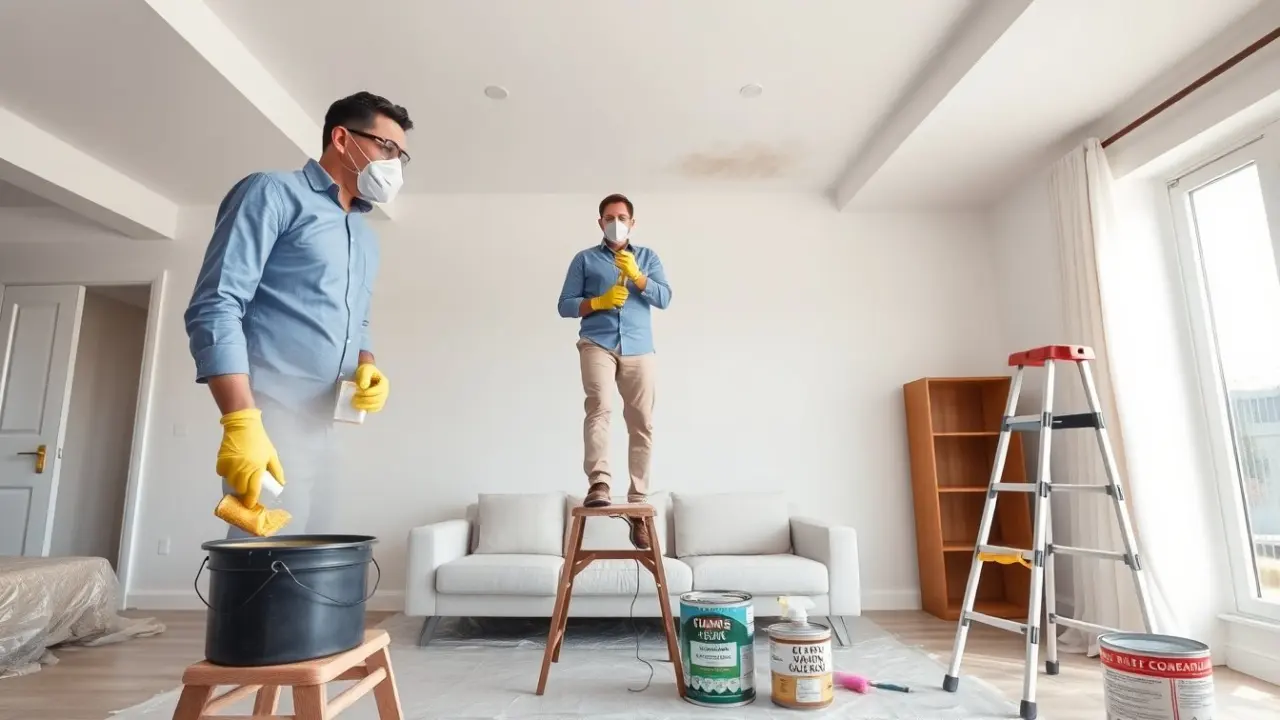
Removing nicotine stains from walls and ceilings requires clear steps and safe supplies. The guide shows how to assess surfaces, pick cleaners, and protect the room. It lists simple tests and safety checks. It explains which cleaners work on painted drywall, wallpaper, plaster, and ceilings. It also covers odor control and when painting provides the best result.
Key Takeaways
- Removing nicotine stains from walls and ceilings starts with assessing surface type and preparing the room with proper ventilation and protective gear.
- Choose cleaners based on the wall finish: mild soap for flat latex paint, vinegar for semi-gloss, and commercial nicotine cleaners for heavy buildup.
- Test cleaning products on a small hidden patch first to avoid paint damage and select gentler options if needed.
- Use gentle application techniques to avoid damage; blot heavy stains instead of scrubbing and clean ceilings with extendable tools in sections.
- For tough stains, use degreasers or TSP alternatives safely, and consider repainting with stain-blocking primer if stains persist.
- Control odors by ventilating thoroughly, using odor absorbers like baking soda or activated charcoal, and running air purifiers after cleaning.
Assess The Surface And Prepare The Room Safely
Start by inspecting the room for nicotine stains. He checks the wall finish, the stain depth, and any paint failure. She notes smoke odor and residue. They mark problem areas with a pencil or painter’s tape. He tests a small, hidden patch with water to see if the paint lifts.
Next, he prepares the room. She removes furniture or moves it to the center and covers it with plastic. They open windows to provide cross-ventilation. He wears gloves, eye protection, and a mask that filters particulates. She lays drop cloths on the floor. They seal vents and doorways with plastic if the cleaning will create dust or fumes.
Then, he plans disposal. She places rags and used materials in a sealed bag. They keep cleaning agents out of reach of children and pets. He reads the product label for hazard instructions. She keeps a spray bottle of clean water nearby to rinse hands or surfaces.
After that, he tests cleaner compatibility. She applies a few drops of the chosen cleaner to a 2-inch square test patch. They wait five to ten minutes. He wipes the patch and checks for color change or paint removal. She records results. They choose a gentler cleaner if the paint softens.
Finally, he divides the room by zones. She plans to clean one wall at a time from top to bottom. They work in daylight or with bright temporary lamps. He uses a ladder or step stool that sits on a covered, stable surface. She avoids standing on furniture.
Choose And Apply The Right Cleaning Methods For Different Finishes
He selects cleaners based on the finish type. She picks a mild dish soap solution for flat-latex paint that shows surface residue. They use a vinegar and water mix for light stains and odor reduction on semi-gloss paint. He chooses a commercial nicotine cleaner for older, heavy buildup. She selects a solvent product for oil-based paint only after testing.
He follows a standard application method. She mixes the cleaner in a bucket using warm water. They load a sponge or microfiber cloth and wring it until damp. He starts at the top of the wall and works downward in vertical strokes. She rinses the cloth often in clean water. They change the rinse water when it turns discolored.
He avoids overwetting drywall. She applies only enough moisture to lift residue. They blot heavy stains instead of scrubbing to prevent paper delamination. He uses circular motions on small areas and long strokes on large areas. She allowed each cleaned panel to dry before moving on.
He adjusts technique for wallpaper and textured surfaces. She uses a dry sponge or an art gum eraser for light nicotine dust on wallpaper. They test for colorfastness first. He uses a soft nylon brush to lift residue from textured paint. She uses a spray applicator for thin cleaners on ceilings and then gently wipes.
He handles ceilings carefully. She works from a steady ladder and uses an extendable pole with a sponge head for broad areas. They split large ceilings into manageable sections. He cleans a small section and lets it dry before the next pass. She inspects each section for drip marks and removes any streaks immediately.
He completes a final odor control step. She opens windows and runs fans for several hours. They place bowls of baking soda or activated charcoal in the room to absorb lingering odor. He uses an odor-neutralizing spray on soft furnishings after walls dry. She considers a HEPA air purifier for persistent smoke odor.
Tackling Tough Stains: Degreasers, Trisodium Phosphate (TSP) Alternatives, And When To Repaint
He reserves strong cleaners for heavy nicotine stains. She uses a commercial degreaser when soap and vinegar fail. They follow product directions and wear a respirator if required. He spots the degreaser on the test patch before broad use. She dilutes concentrated cleaners to the recommended ratio.
He considers TSP alternatives when he needs a powerful cleaner but wants lower toxicity. She uses sodium percarbonate or a non-phosphate cleaner labeled for smoke residue. They mix per package instructions and use warm water. He avoids mixing cleaners with bleach or ammonia. She keeps the room aired during and after cleaning.
He uses scrubbing tools for stubborn residue. She uses a stiff but non-abrasive brush on painted wood trim. They apply light pressure and rinse often. He uses a melamine sponge for marks that resist soap. She avoids melamine on glossy or sealed surfaces that may dull the finish.
He watches for signs that cleaning will not restore color. She notes deep yellowing that remains after repeated cleaning. They look for paint peeling, brittle plaster, or stains that bleed through primer. He recognizes that nicotine can stain primer and show through thin paint coats.
He decides to repaint when cleaning cannot restore appearance. She strips loose paint, sands glossy areas, and cleans the dust. They apply a high-quality stain-blocking primer formulated for smoke and nicotine. He lets the primer dry fully. She applies two coats of paint for full coverage. They choose a paint with low odor and mildew resistance for rooms with past smoking.
He finishes by verifying odor removal. She inspects the room after paint cures. They run an air purifier and keep the room ventilated for several days. He replaces filters in HVAC systems if the home shows persistent smoke smell. She discards all used cleaning cloths and sponges in sealed bags to prevent recontamination.