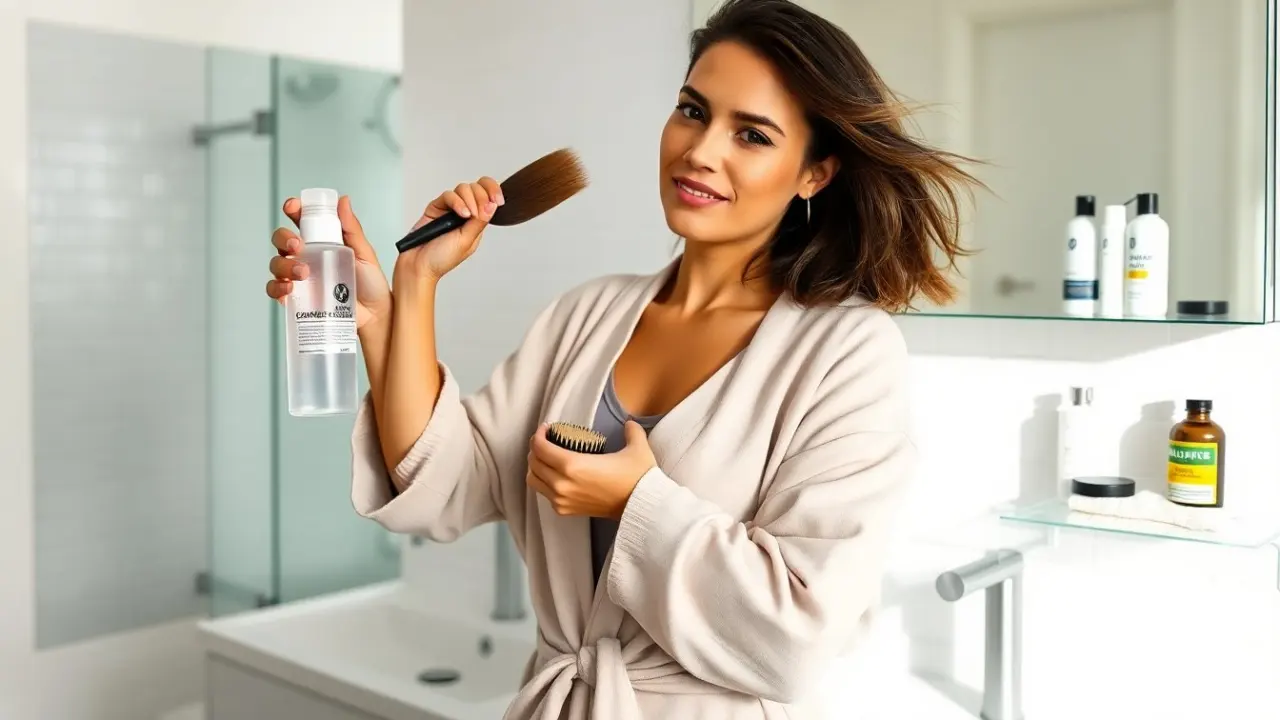
how to get smoke smell out of hair is a common urgent question after a night near smoke. This guide lists clear steps people can use right away. It shows quick fixes, shampooing methods, natural remedies, and long-term tips. Each step uses simple materials and direct actions. The reader will leave with plans they can follow in minutes or over several washes.
Key Takeaways
- To quickly reduce smoke smell in hair without washing, use fresh air, dry shampoo, a light mist of fabric refresher or diluted vodka, and temporarily cover hair with a hat or scarf.
- For best results in removing smoke odor, wash hair thoroughly with a clarifying or sulfate shampoo, massaging the scalp well and repeating if needed.
- Natural remedies from kitchen items can effectively complement shampoo routines but should be tested on a small hair strand first for safety.
- Develop long-term habits like carrying clarifying shampoo, covering hair in smoky environments, washing within 24 hours after exposure, and using weekly clarifying treatments to manage smoke smell.
- Choosing hair products with citrus or tea-tree scents and maintaining scalp health helps prevent smoke odor buildup permanently.
Fast Immediate Fixes For When You Can’t Wash
When someone asks how to get smoke smell out of hair fast, they need actions that work without water. Start by moving to fresh air and gently shaking or flipping hair to help release trapped particles—this alone can make a noticeable difference in minutes. Next, apply dry shampoo to the roots in sections, let it sit for 30–60 seconds, then brush through; dry shampoo absorbs oily residue that holds odor and can reduce how strong the smell seems.
If dry shampoo isn’t available, lightly mist hair with a fabric refresher designed for use on fabrics or with a quick homemade spray of diluted vodka (about 1 part vodka to 3 parts water) in a spray bottle. Spray from a distance so hair is only slightly damp; vodka evaporates quickly and can carry volatile odor molecules away as it dries. Avoid soaking hair—excess liquid can make smoke smell linger.
Additional quick tricks: temporarily cover hair with a clean hat, scarf, or bandana if you need to be in close quarters with others; this both conceals and traps odors away from your nose. If you have access to a hairdryer, use the cool or low heat setting while outdoors or near an open window so expelled particles aren’t pushed back into indoor air. These immediate measures are temporary and meant to reduce odor until you can wash thoroughly.
Best Shampooing And Deep-Clean Methods
A full wash gives the best answer to how to get smoke smell out of hair. Begin with a clarifying or sulfate-containing shampoo; these are formulated to remove buildup that traps odor. Wet hair completely and apply a generous, palm-sized amount for medium to long hair—use more for thicker hair. Focus the first lather on the scalp and roots, where oils and smoke particles concentrate, and massage for at least two minutes to loosen residues.
Rinse thoroughly and evaluate the smell. If odor persists, repeat the shampoo step once more. For very stubborn smell, follow with a second product: either a second clarifying wash or a targeted clarifying mask/treatment that you leave on for the manufacturer’s recommended time. After a deep clean, use a lightweight conditioner on mid-lengths and ends only—avoiding the scalp—to restore moisture without reintroducing oils that can hold odor.
Practical tips: wash in lukewarm water (very hot water can open the hair cuticle and temporarily trap smells when it cools), and consider an extra rinse with cool water to help close the cuticle. If you frequently encounter smoke, schedule a weekly clarifying treatment rather than daily washing, which can dry and damage hair over time. When blow-drying after treatment, use moderate heat and good airflow to ensure any remaining volatile compounds are blown away rather than set in by high heat.
Natural Remedies That Actually Work
People often ask how to get smoke smell out of hair using kitchen items. Several gentle, commonly available remedies can complement shampooing or serve between washes. Always test any remedy on a small hidden strand first to check for color change or sensitivity.
- Apple cider vinegar rinse: Mix 1–2 tablespoons of apple cider vinegar in a cup of water and pour over hair after shampooing, then rinse lightly. Vinegar helps neutralize odors. Avoid leaving it on for long periods if you have a dry scalp.
- Lemon water spray: Squeeze half a lemon into a cup of water, strain, and mist lightly over hair before or after a wash. The citrus scent can mask smoke and the acid helps break down residue. Use sparingly if your hair is color-treated, as acid can affect some dyes.
- Baking soda pre-rinse: Make a paste of baking soda and water and apply sparingly to oily areas or the scalp, leave for a minute, then rinse thoroughly and follow with shampoo. Baking soda absorbs odors but can be drying if overused, so limit to spot treatments.
- Green tea or chamomile rinse: Steep a strong brew, cool it, and pour over hair after shampooing. These rinses leave a mild, fresh scent and are gentle on the scalp.
Combine natural remedies with standard shampooing rather than using them as a sole long-term solution. If you have color-treated or chemically processed hair, consult product labels or a stylist before using acidic or alkaline home rinses to avoid unintended effects.
Preventing And Managing Smoke Smell Long-Term
To avoid repeated questions about how to get smoke smell out of hair, people should build practical habits. Carry travel-size clarifying shampoo and dry shampoo in a bag so you can treat hair within 24 hours of exposure. If you know you’ll be in a smoky environment, tie hair back in a bun or braid and cover it with a scarf or hat; less exposed surface area picks up less smoke. When possible, stay upwind and avoid sitting directly in smoke-filled air.
Establish a maintenance routine: a weekly clarifying wash or mask helps remove slow buildup of environmental odors without daily stripping. Choose regular shampoos and conditioners with fresh, natural scent notes such as citrus or tea tree to help mask occasional exposure. Maintain scalp health with gentle cleansing and occasional scalp-exfoliating treatments—an unhealthy scalp holds onto odor molecules more readily than a clean one.
Finally, consider lifestyle habits that reduce persistent smoke exposure: smoking outdoors rather than inside, using air purifiers at home, and timely laundering of hats, scarves, and pillowcases that can trap smoke. When exposure is unavoidable, prompt airing and a targeted wash are the most reliable ways to keep hair smelling clean.