
The best quit smoking programs pair behavioral counseling, such as a quitline coach or clinician, with a cessation medication. The VA says this combination gives you the best chance of quitting. Choose a format you will actually use.
This guide compares the main program types, explains what each costs and how medications fit in, and ends with a start plan. For the wider picture, read our guide on how to stop smoking.
How quit smoking programs work
Quit smoking programs work on two problems at once: the habit and the physical dependence. Counseling deals with the habit, meaning the triggers, routines and urges. Medication eases the physical side. The VA’s guidance puts it plainly: you have your best chance at quitting tobacco when you get behavioral counseling and also use cessation medication.
The medication side matters because withdrawal is real. The VA lists irritability, anxiety, depression, hunger, restlessness, insomnia and cravings as the symptoms that medication helps with. A program that only offers willpower tips leaves these untouched, which is why a plan that combines both parts is the one to look for.
No single brand or format is the “best” in every case. The better question is whether a program gives you coaching or counseling, gives you access to medication, and keeps going if your first attempt does not hold. That last point is not a formality. New York’s health department notes that it may take more than one try to quit, and its Medicaid program covers repeated treatment for that reason.
Counseling, quitlines and text programs
Behavioral support comes in several forms, and they overlap. Start with whichever is easiest to reach today, because you can add the others later.
Quitlines
A quitline is a telephone coaching service run by a state or health system. New York describes its State Quitline as free and confidential, with help in English and Spanish. It provides information, printed materials and quit coaching by phone, text or online chat. The number is 1-866-NYQUITS (1-866-697-8487).
The Wisconsin Tobacco Quit Line is also free and says it has helped more than 200,000 people. You can reach it 24/7 if you are a Wisconsin resident at least 13 years old, and the quit coach line is 800-784-8669. Quitlines are tied to where you live, so look up your own state’s service. The CDC’s cessation guide, summarized by a Washington University center, lists support for state quitlines alongside better insurance coverage as part of cessation work.
A quitline suits you if you want a real person without booking a clinic visit, if your schedule is unpredictable, or if you want to start today.
Text-message programs
Text programs deliver support in small daily or weekly pieces. Wisconsin offers free help through SmokefreeTXT; you text QUIT to 47848. New York’s confidential texting programs include weekly guidance for skill building, and you sign up by texting QUITNOW to 333888, per the state health department.
Texting works best as an add-on. It keeps you in contact between quitline calls or clinic visits. It does not replace the counseling-plus-medication pairing.
Clinician counseling and CBT
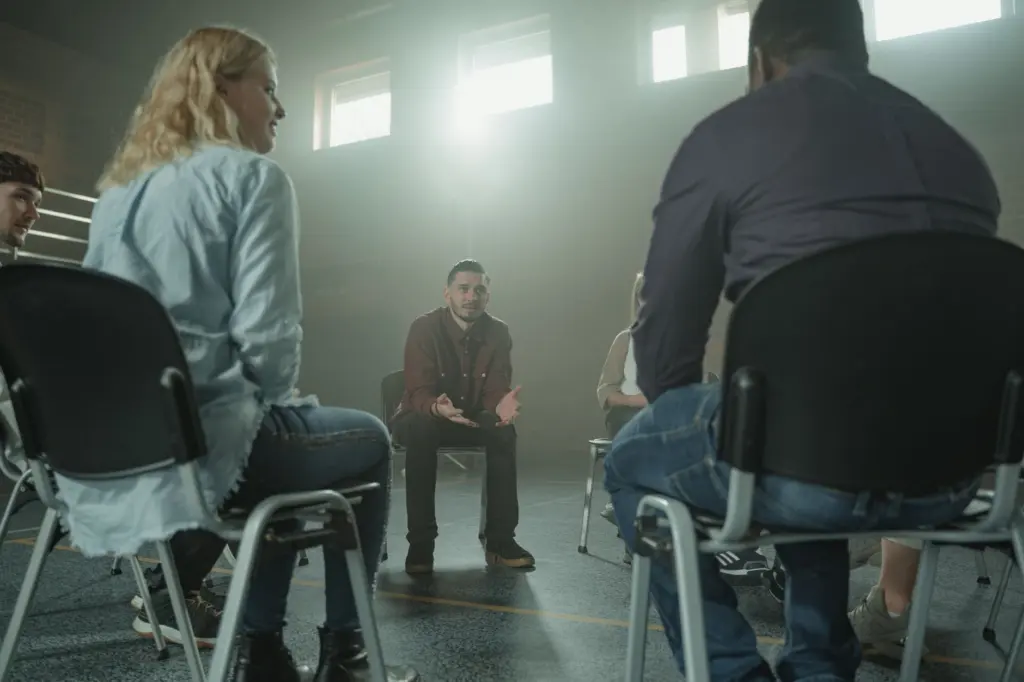
Counseling with a health professional can be very short or more intensive. The VA describes sessions that are brief (less than 5 minutes) or longer than 10 minutes, and says it may take multiple sessions. For Veterans, the VA offers in-person individual and group counseling, plus telephone and video counseling. Cognitive behavioral therapy (CBT) helps people develop more balanced thoughts and manage urges to smoke.
Choose clinician counseling when you want help with a specific pattern, such as stress-driven smoking, or when you want a prescriber in the same conversation. Choose group formats if you want to hear other people’s tactics.
Medication options
Seven medications approved by the U.S. Food and Drug Administration are used for smoking cessation: five nicotine replacement therapies and two non-nicotine pills, according to New York’s health department. Which one suits you is a decision for you and a prescriber or pharmacist.
- Nicotine replacement therapy (NRT): the five forms are patch, gum, lozenge, inhaler and nasal spray. The VA notes that the long-acting patch can be combined with short-acting gum, lozenge or nasal spray for more effective results.
- Bupropion SR: sold as Zyban or Wellbutrin. The VA says it contains no nicotine and is started one to two weeks before you stop using tobacco, so it shapes your quit date.
- Varenicline: sold as Chantix. The VA describes it as a pill that blocks the effects of nicotine on the brain.
If you are weighing options, NRT is the form that lets you start on your quit day. Bupropion needs lead time. A prescriber can advise on the rest, including which pill fits your health history.
Cost and coverage
Many quit smoking programs are free, which answers the most common worry first. Quitline coaching in Wisconsin and SmokefreeTXT are free, and New York’s quitline coaching is free and confidential. New York’s quitline can also send free NRT starter kits to eligible New Yorkers.
Insurance extends this to clinic care. In New York, Medicaid, Medicare and other health plans cover treatment from your provider, including brief counseling and FDA-approved medications. Medicaid pays for over-the-counter nicotine patches, gum and lozenges with a fiscal order from your provider. Wisconsin’s Medicaid/BadgerCare covers tobacco-dependence treatment from any Medicaid-certified Wisconsin physician, nurse practitioner, physician assistant, dentist or pharmacist.
Coverage rules vary by state and plan. Before paying out of pocket, ask your plan or your quitline what it covers.
Side-by-side comparison of program types
| Program type | What it offers | Cost and access | Planning use |
|---|---|---|---|
| Quitline coaching | Information, printed materials and quit coaching by phone, text or online chat | Free and confidential in New York, in English and Spanish; free NRT starter kits for eligible New Yorkers | A fast first step when you want a coach without a clinic visit |
| Text program | Weekly guidance for skill building | Confidential; sign up by text | Light daily support to run alongside other options |
| Clinician counseling | Brief (less than 5 minutes) or intensive (longer than 10 minutes) sessions; may take multiple sessions | Covered by Medicaid, Medicare and other plans in New York | Best when you also need a prescriber or want to work on specific triggers |
| Medication | Seven FDA-approved options: five NRT forms and two non-nicotine pills | Medicaid in New York covers all seven | Pair with counseling; the pairing is what the VA highlights |
| Quit app | VA’s Stay Quit Coach, an interactive app for Veterans | Provided by the VA for Veterans | A daily companion to counseling and medication |
Figures come from the New York State Department of Health and the VA’s quit tobacco guidance.
To choose from the table, work out your biggest barrier. If it is access, start with the quitline or a text program. If it is cravings, put medication at the center. If it is a specific habit or stress pattern, add clinician counseling or CBT. Most people end up combining at least two rows, and that is the right outcome.

A step-by-step start plan
This plan moves from the lowest-effort action to a full quit attempt. Do the early steps even if your quit date is still undecided.
- Make the first contact. Call your state quitline or book a clinician visit. A coach can help you pick a program from the comparison above.
- Decide on medication. Ask a provider or pharmacist which of the seven options fits you. Let that choice set your date, since bupropion starts before the quit day and NRT does not.
- Set the quit date. Pick a day when you can have your medication and support in place.
- Add daily support. Sign up for a text program or, if you are a Veteran, an app such as Stay Quit Coach.
- Tell the people around you. Having friends, family or a group on your side gives you someone to turn to when cravings hit.
- Expect withdrawal and go back for help if you slip. Irritability, restlessness, insomnia and cravings are the symptoms medication targets. A slip is a reason to contact your coach or provider again.
If you also vape, the timeline in How Long Does It Take To Quit Vaping? A Realistic Timeline And What To Expect – Canstopsmoking shows what to expect from that side of the habit. For a longer read on the same steps, try How To Quit Smoking: The Book Every Smoker Needs (Practical Steps To Stop For Good) – Canstopsmoking.
Frequently asked questions
Are there quit smoking programs specifically for Veterans?
Yes. The VA runs the Quit VET quitline at 1-855-784-8838, open 9 a.m. to 9 p.m. ET, Monday through Friday, in English and Spanish. Veterans can also text VET to 47848 for SmokefreeVET, or VETesp to 47848 in Spanish, and use the Stay Quit Coach app.
Is it safe to use two medications at once?
New York’s health department describes combination therapy, the use of two medications at once, as safe for most people. Ask a prescriber whether it suits your health history.
What if my first attempt does not last?
Many people need more than one try. New York’s Medicaid program covers repeated treatment by your provider for that reason, so going back for another round is a normal part of quitting.