How to calm down when anxious is a common question people ask when their heart races or thoughts spiral. This guide gives three clear strategies that they can use immediately and over time. Each strategy uses simple steps supported by research. The reader will learn trigger recognition, quick calming methods, and daily practices that reduce overall anxiety.
Key Takeaways
- Recognizing anxiety triggers and physical signs helps you act early and calm down faster when anxious.
- Use quick techniques like controlled breathing, grounding, and muscle relaxation to reduce anxiety anytime, anywhere.
- Practice calming techniques daily during low-stress moments to make them effective habits.
- Establish long-term routines such as regular sleep, daily movement, and meditation to lower baseline anxiety levels.
- Maintain social connections and seek professional care when anxiety significantly impacts your life.
- Limit caffeine and alcohol, monitor lifestyle habits, and set realistic goals to support ongoing anxiety management.
Recognize Triggers And The Physical Signs Of Anxiety
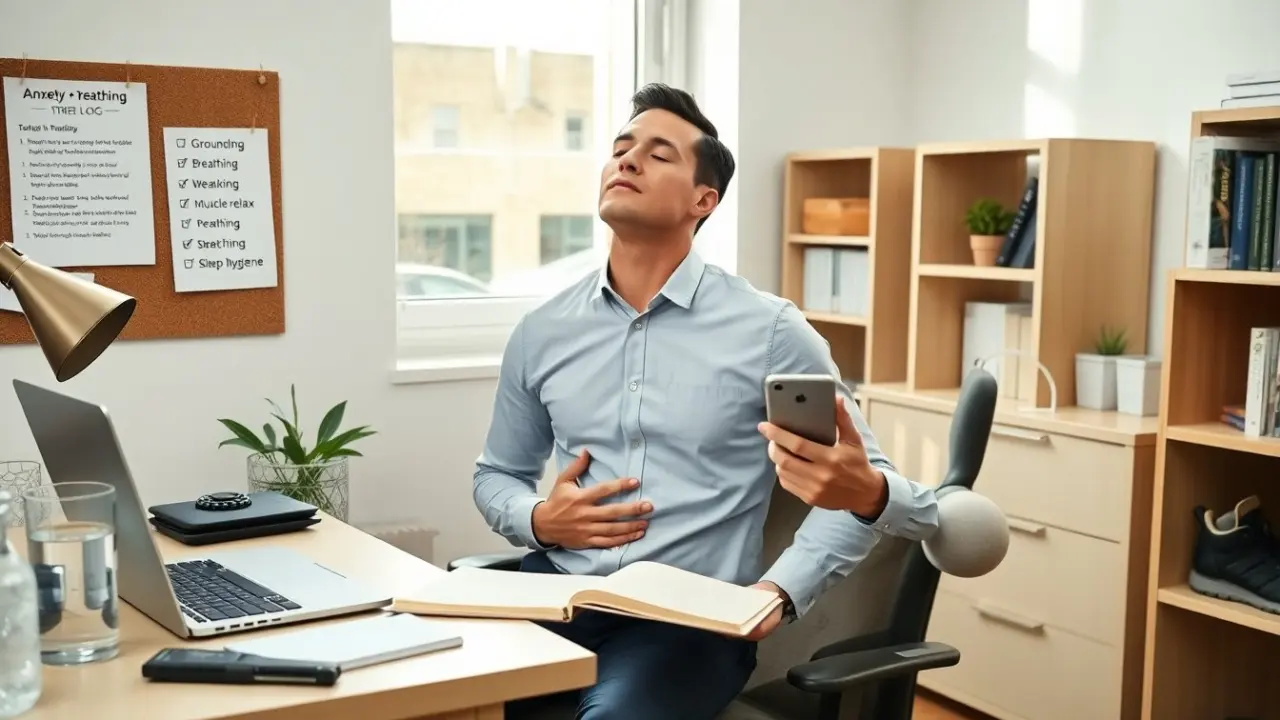
People ask how to calm down when anxious after they notice physical signs. They feel tight chest, fast heart, shallow breathing, sweating, or stomach tension. They also notice restless thoughts and a sense of dread. They can write these signs in a short list. They can check the list when they suspect anxiety.
They should identify common triggers next. Triggers include deadlines, social situations, financial worries, and lack of sleep. They can track triggers for one week. They should note the time, situation, and intensity of symptoms. This simple log helps them link patterns to triggers.
They should separate immediate triggers from background causes. Immediate triggers cause a sudden spike. Background causes raise baseline anxiety across days. They should treat each kind differently. They should use quick techniques for spikes and long-term practices for baseline anxiety.
They should learn early warning signs. Early signs include fidgeting, irritability, and trouble concentrating. They should act when they see early signs. Acting early shortens an episode and reduces intensity. This habit helps them calm faster.
They should share patterns with a clinician if symptoms impair life. A clinician can confirm diagnosis and suggest treatments. They should seek help when symptoms last months or when panic attacks occur. Early care improves outcomes and lowers recurrence.
Quick Calming Techniques You Can Use Anywhere
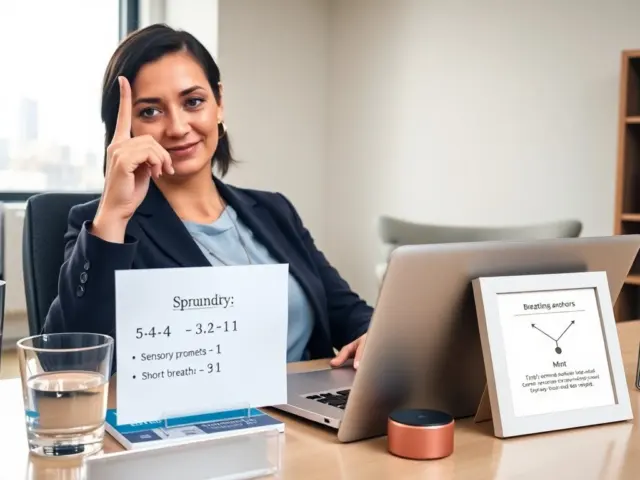
Many people search how to calm down when anxious while they stand in line or sit in a meeting. They need techniques that require little time or space. The first technique uses breathing. They should inhale for four counts, hold for four counts, and exhale for six counts. They should repeat this cycle five times. This breathing lowers heart rate and shifts focus.
The second technique uses grounding. They should name five things they see, four things they feel, three things they hear, two things they smell, and one thing they taste. They should speak the items out loud if they can. This exercise shifts attention from thoughts to the present moment.
The third technique uses muscle relaxation. They should tense a muscle group for five seconds and then release. They should move from the feet to the face. They should notice the contrast between tension and release. This method reduces muscle tightness and signals safety to the body.
The fourth technique uses a brief physical action. They should take a short walk, splash water on their face, or change posture. They should choose an action that fits the place. Simple movement changes the nervous system and lowers distress.
The fifth technique uses brief cognitive reframing. They should name the thought and file it as a thought, not a fact. They should say, “I notice the thought that I will fail.” They should add a realistic counter statement, such as, “I can try one step now.” This step reduces thought power and restores choice.
They should practice these techniques daily in low-stress moments. Practice makes the response faster and more automatic. They should pair practice with a cue, like a phone alarm, until the technique becomes habit.
Long‑Term Practices To Reduce Baseline Anxiety
People ask how to calm down when anxious about daily life, not only in moments of panic. They should build routines that lower baseline anxiety. The first routine is regular sleep. They should keep consistent bed and wake times. Good sleep reduces worry and improves mood.
The second routine is movement. They should aim for 30 minutes of moderate activity most days. They can walk, bike, garden, or swim. Regular activity releases endorphins and improves stress resilience. They should choose activities they enjoy so they keep doing them.
The third routine is breath and meditation practice. They should set five to ten minutes daily for focused breathing or guided meditation. Short, consistent practice trains the mind to return to the present and reduces reactivity over weeks.
The fourth routine is social connection. They should spend time with supportive people. They should schedule weekly check-ins with friends or family. Social contact reduces isolation and gives perspective on worries.
The fifth routine is professional care when needed. They should try cognitive behavioral therapy or other evidence-based therapy if anxiety limits work or relationships. A therapist can teach skills that target thought patterns and behavior. They should consider medication when a clinician recommends it.
The sixth routine is lifestyle checks. They should limit caffeine and alcohol, check nutrition, and manage time for small wins. Small changes compound over weeks. They should track progress with a simple weekly note on mood, sleep, and key behaviors.
They should set realistic goals and expect gradual improvement. They should celebrate small gains. Over months, these routines lower baseline anxiety and make quick techniques more effective.