how to calm down nervous system is a practical skill anyone can learn. This article gives clear tools that reduce arousal fast and build long-term resilience. Each tool uses simple steps and physiological logic so you can understand why it works, not just what to do. Readers will find immediate techniques they can use in five minutes or less, plus daily habits and clear signs for when to get professional help. With regular practice these approaches make it easier to recover from stress and lower baseline reactivity.
Key Takeaways
- Learning how to calm down the nervous system is essential for managing stress and can be achieved through practical techniques and daily habits.
- Controlled breathing methods like box breathing and longer exhales quickly reduce nervous system arousal by activating the vagus nerve and slowing the heart rate.
- The 5-4-3-2-1 grounding technique effectively shifts attention away from stress by engaging the senses, helping reduce panic within minutes.
- Progressive muscle relaxation releases tension deeply by tensing and relaxing muscle groups, providing quick relief from physical stress symptoms.
- Consistent daily habits such as maintaining a sleep schedule, regular exercise, balanced nutrition, and mindful practices strengthen nervous system resilience over time.
- Professional help should be sought if symptoms worsen, with evidence-based therapies and safe tools recommended for managing severe nervous system dysregulation.
Why Your Nervous System Gets Overwhelmed — The Essentials You Should Know
The nervous system detects threat and signals the body to act. When it perceives danger—real or anticipated—it shifts into fight, flight, or freeze, increasing heart rate, breathing rate, and muscle tension. Hormones like adrenaline and cortisol change how you think and move, narrowing attention to perceived threats. Repeated stress or ongoing worry keeps the system on high alert, making it easier to tip into anxiety or panic. Poor sleep, irregular routines, high caffeine or stimulant use, and unresolved emotional stressors all worsen baseline arousal. Genetics and past trauma can raise baseline sensitivity for some people, meaning smaller triggers create a larger response. Understanding these drivers makes it easier to choose the right short-term tool (to downshift now) and the right daily habit (to lower baseline reactivity over time). A simple model to use in the moment: identify the trigger, notice the body response, apply a calming technique, and allow time for recovery.
Fast-Acting 5-Minute Techniques To Calm Your Nervous System
The following techniques lower arousal within minutes. They require little time and no special equipment. Each method targets one of three pathways the nervous system uses: breath (parasympathetic activation), attention (cognitive reorientation), or muscle tone (reducing sympathetic tension). Practicing these when you are mildly activated makes them easier to use during stronger episodes.
Controlled Breathing: Box, 4-4-4, And Longer Exhales
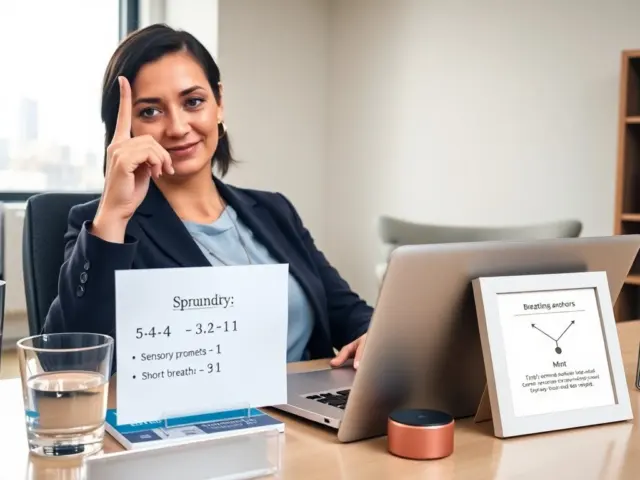
Controlled breathing slows the heart and signals safety to the brain. Box breathing uses four counts for inhale, hold, exhale, hold (for example: inhale 1-2-3-4, hold 1-2-3-4, exhale 1-2-3-4, hold 1-2-3-4). 4-4-4 is simpler for some: inhale four, hold four, exhale four. Longer exhales use a 4:6 ratio: inhale four, exhale six. Sit upright or lie comfortably and breathe through the nose if possible. Keep counts steady and soft; avoid forcing breaths or breath-holding beyond comfort. Practice for five minutes or for three to five rounds in a stressful moment. These patterns increase vagal tone and often reduce dizziness, chest tightness, and racing thoughts within several breaths. Tip: pair breathing with a soft exhale sound or gentle hand on the abdomen to feel the diaphragm move.
Grounding With The 5-4-3-2-1 Sense Check
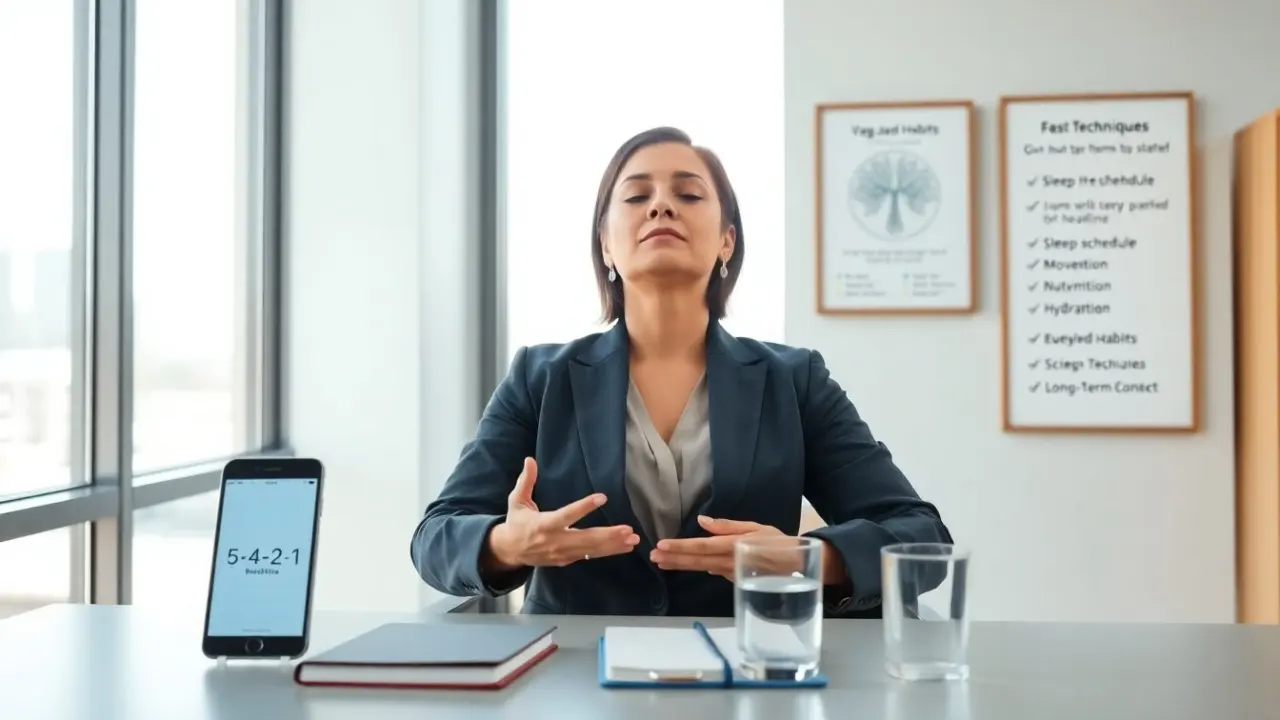
Grounding shifts attention from threat to present facts. The 5-4-3-2-1 method lists sensory items to observe: name five things you can see, four things you can feel (texture, temperature), three things you can hear, two things you can smell, and one thing you can taste or a single positive memory if taste isn’t available. Use slow, descriptive labels (for example, “I see a blue mug,” “I feel the table edge under my hand”) rather than generic “stuff.” This engages multiple sensory channels and interrupts the loop of anxious thoughts. It’s portable—use it standing in line, sitting at a desk, or lying in bed—and often reduces panic within minutes by bringing attention back to the present environment.
Progressive Muscle Relaxation For Immediate Tension Release
Progressive muscle relaxation reduces body tension step by step. Tense a muscle group for five seconds, then release and notice the contrast. Move systematically: feet, calves, thighs, hips, abdomen, chest, hands, arms, shoulders, neck, face. Hold tension for about five seconds and relax for ten, breathing normally throughout. Focus on the sensation of warmth and looseness when you release. This method lowers sympathetic arousal, eases headaches and neck or shoulder tightness, and can be done sitting quietly at a desk or lying down before sleep. If five-second holds feel intense, shorten to three seconds; the key is noticing tension versus release.
Daily Habits That Build Nervous System Resilience
Daily habits change baseline arousal over weeks and months. Sleep timing matters: aim for consistent bed and wake times and a wind-down routine that reduces screen time and bright light before sleep. Movement helps—moderate aerobic exercise most days lowers stress hormones and improves sleep. Strength and mobility work support posture and reduce chronic tension. Nutrition affects the nervous system: prioritize whole foods, include protein with meals to stabilize blood sugar, and limit excessive caffeine late in the day. Hydration supports nerve conduction and cognitive clarity. Social connection and brief supportive conversations reliably lower stress signaling—seek out regular contact with friends or groups. Mindful routines such as a five-minute morning breathing practice, short body scans, or end-of-day reflection train the nervous system to recover more quickly after stress. Small, consistent habits accumulate: over time you’ll notice fewer high-arousal episodes and faster return-to-baseline after triggers.
When To Seek Professional Help And Safe Tools To Try
Some signs require professional care. Seek help if panic attacks recur, sleep collapses, daily functioning suffers, or if substance use increases to cope. Also seek help if intrusive thoughts, persistent hopelessness, or any thoughts of self-harm appear. Clinicians use evidence-based therapies such as cognitive behavioral therapy (CBT), exposure-based approaches for specific fears, and trauma-focused therapies when appropriate. Providers may recommend medication for short- or long-term symptom control in some cases, or adjuncts like biofeedback and guided breathing programs to build self-regulation skills. Over-the-counter supplements should be reviewed with a clinician if you are taking other medications or have health conditions. Avoid extreme or unproven protocols; consult a qualified clinician before trying intense interventions. In situations of immediate danger to yourself or others, contact emergency services. A mental health professional can assess symptoms, create a stepwise plan, and teach tailored techniques for how to calm down nervous system responses safely and effectively.