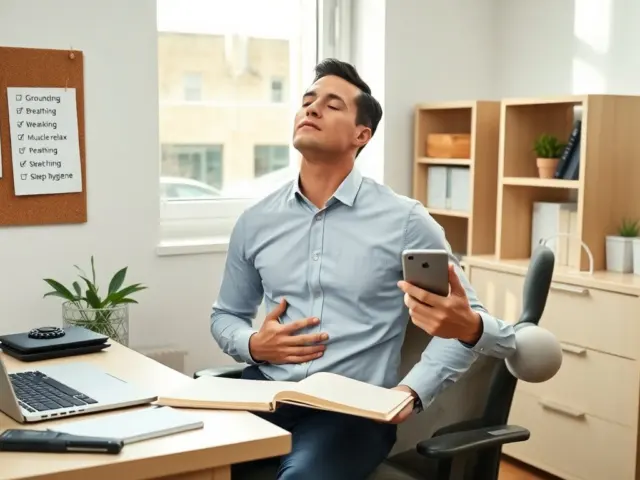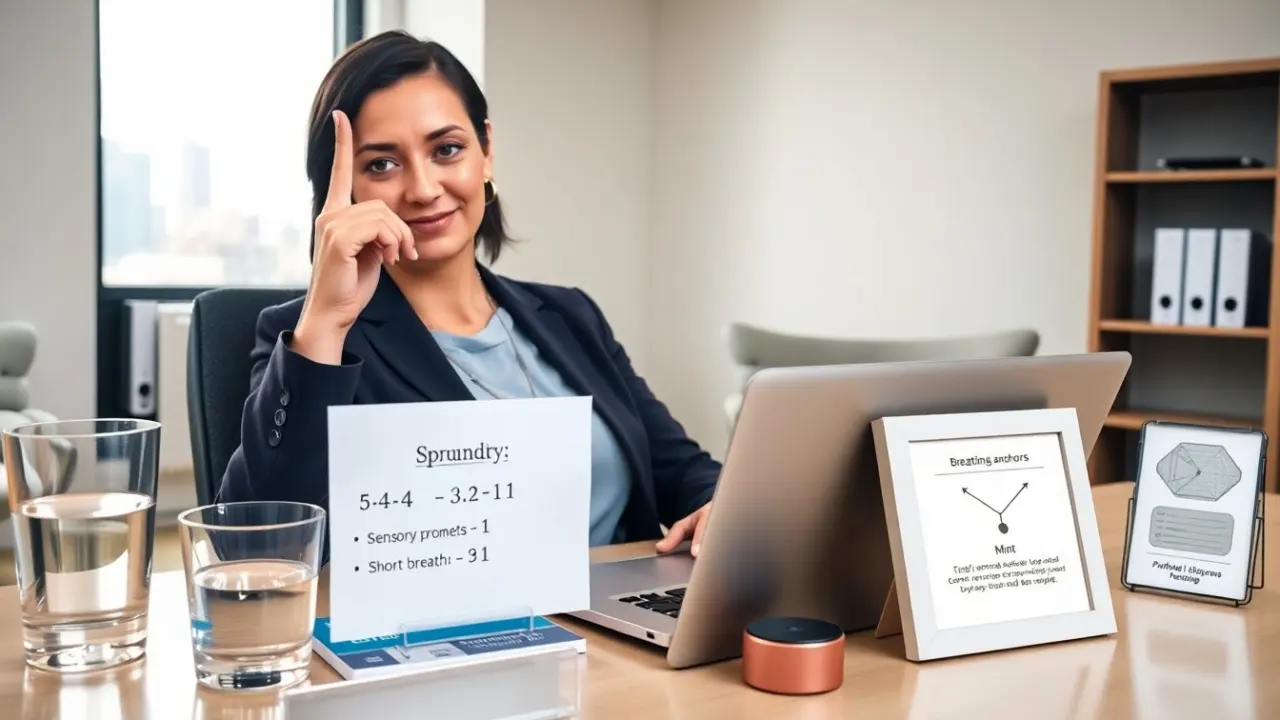
Anxiety grounding techniques help when someone feels overwhelmed. The person uses simple steps to lower immediate tension. These methods use senses, breath, and quick actions. They require no equipment. They work in minutes. This guide lists three practical grounding methods. Each method gives clear steps. Each method helps the person return to the present and reduce panic.
Key Takeaways
- Anxiety grounding techniques provide quick, equipment-free methods to reduce panic by focusing on the present moment.
- The 5-4-3-2-1 sensory grounding method uses sequential sensory awareness to shift attention away from anxiety and slow racing thoughts.
- Breathing exercises like counted breathing combined with progressive muscle release help calm the nervous system and reduce physical tension.
- Anchor actions involve simple physical or mental cues paired with calming phrases to create an automatic response that lowers anxiety.
- Regular practice of these anxiety grounding techniques enhances their effectiveness and helps users manage stress more rapidly in real situations.
5-4-3-2-1 Sensory Grounding: Use Your Senses To Return To The Present
The 5-4-3-2-1 exercise uses sensory focus to stop spiraling. The person names five things they see. The person names four things they can touch. The person names three things they hear. The person names two things they smell. The person names one thing they taste or a single safe sensation. This step-by-step pattern shifts attention from future worry to present detail. It slows racing thoughts and lowers physical arousal.
How to apply the exercise in public. The person scans the room and points out five visible items quietly. The person touches a seat, a bag, or their own sleeve for the four-touch step. The person listens for distant sounds for the three-sound step. The person notices a scent near them for the two-smell step. The person tastes a mint or notices saliva for the final step. Each step lasts about five to ten seconds. The whole exercise takes under a minute.
Why this method works. The brain prioritizes sensory input. The body registers concrete sensations as safe cues. The exercise reduces mental loops that keep anxiety active. It reorients the person to the environment. It creates a clear pattern that the mind can follow. People report faster reduction in panic and clearer thinking after one or two rounds of 5-4-3-2-1.
Tips for practice. The person practices during low-stress times to build familiarity. The person adapts items to the situation. The person repeats the exercise until breathing steadies. The person pairs this method with slow breathing if symptoms remain.
Breathing And Body Awareness: Simple Breath Patterns And Progressive Muscle Release
Breathing techniques act as a direct regulator of the nervous system. The person uses counted breathing to slow heart rate. The person inhales for four counts, holds for four counts, and exhales for six counts. The person repeats this cycle three to five times. The extended exhale signals the body to relax. The person keeps the jaw and shoulders loose during the cycle.
Progressive muscle release adds body awareness to breath work. The person tenses one muscle group for five seconds and then releases. The person starts with the feet, moves to the calves, then thighs, abdomen, hands, arms, shoulders, neck, and face. The person pairs each release with a slow exhale. The person notices how peace follows release. This method reduces bodily tension that fuels anxiety.
How to combine both methods. The person begins with two minutes of counted breathing to create calm. The person follows with three rounds of progressive muscle release while breathing normally. The person finishes with one more slow breathing cycle. This order reduces both mental speed and physical tension.
Practical notes and variations. The person practices these techniques while seated or lying down. The person shortens inhalation and hold counts for medical or respiratory limits. The person uses nasal breathing if it feels better. The person keeps practice simple and consistent. Regular practice makes the response faster during stress.
Anchor Actions: Quick Physical And Mental Anchors You Can Do Anywhere
Anchor actions create a quick safety cue that the mind can use under stress. The person selects one simple physical action as an anchor. The person might press the thumb and forefinger together, tap the top of a shoe, or press a fingertip to the wrist. The person pairs the action with a short phrase like, “I am safe,” or “I can handle this.” The person practices the anchor during calm moments until the cue feels automatic.
Mental anchors work similarly without movement. The person names a short memory of a stable moment, such as a warm cup of tea or a quiet walk. The person chooses a single image or phrase. The person rehearses the image for thirty seconds when calm. The person recalls the image during anxiety to shift thinking away from threat.
How to use anchors in public or while busy. The person uses the smallest movement possible to avoid drawing attention. The person pairs the anchor with exhale or with one quick sensory check. The person keeps the phrase simple and present. The person uses anchors before a stressful event and during acute spikes.
Why anchors help. The brain learns to link the action or image to calm. The cue interrupts automatic threat responses. The cue gives the person a short, repeatable tool to regain control. With practice, the person can lower anxiety fast and return to tasks.